Denver International’s Growing Wildlife Crisis: More Flights, More Strikes, More Risk
Denver International Airport recorded a staggering 878 wildlife strikes in 2024. This record-breaking figure cements its position as the most dangerous airport in America for animal collisions. The numbers represent more than statistics. They’re a stark reminder of what happens when aviation infrastructure collides with nature’s ancient pathways.
The situation grows worse each year. Since 2008, Denver airport wildlife strikes have exceeded 5,000 documented incidents according to the FAA Wildlife Strike Database. The airport consistently outpaces larger hubs like Dallas/Fort Worth and Los Angeles. Federal Wildlife Services data shows agents killed 6,421 wild animals in 2024 alone. They hazed away more than 130,000 others. Despite these aggressive measures, the collision rate continues climbing.
Built on Wildlife Highway
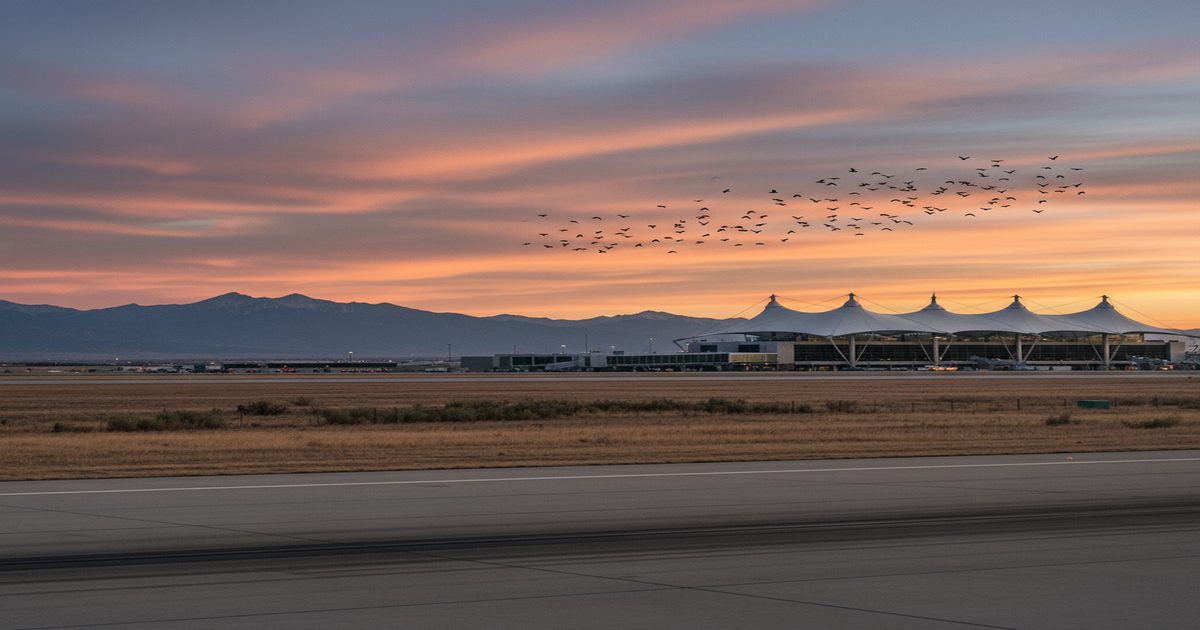
Denver International’s sprawling 53-square-mile footprint creates an unavoidable problem. The airport sits squarely in the path of ancient migration routes. It occupies former prairie land on the western edge of the Great Plains. The location positions it within the Central Flyway—one of North America’s busiest migration corridors.
This geographical reality creates a permanent conflict zone. Horned larks represent the airport’s most frequent collision victims. These birds have used these grasslands for millennia. Since 2010, more than 1,000 horned lark strikes have been recorded at Denver International. Hundreds of mourning dove and cliff swallow incidents follow close behind.
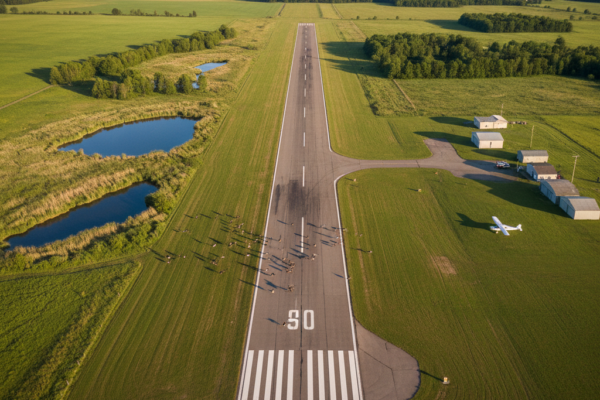
The airport’s massive scale compounds the problem significantly. At 34,000 acres, Denver International exceeds the city boundaries of Boston, Miami, or San Francisco combined. This enormous footprint means aircraft operations intersect with multiple habitat types. The coverage area equals that of a small city. Every square mile represents potential danger zones where wildlife and aircraft converge.
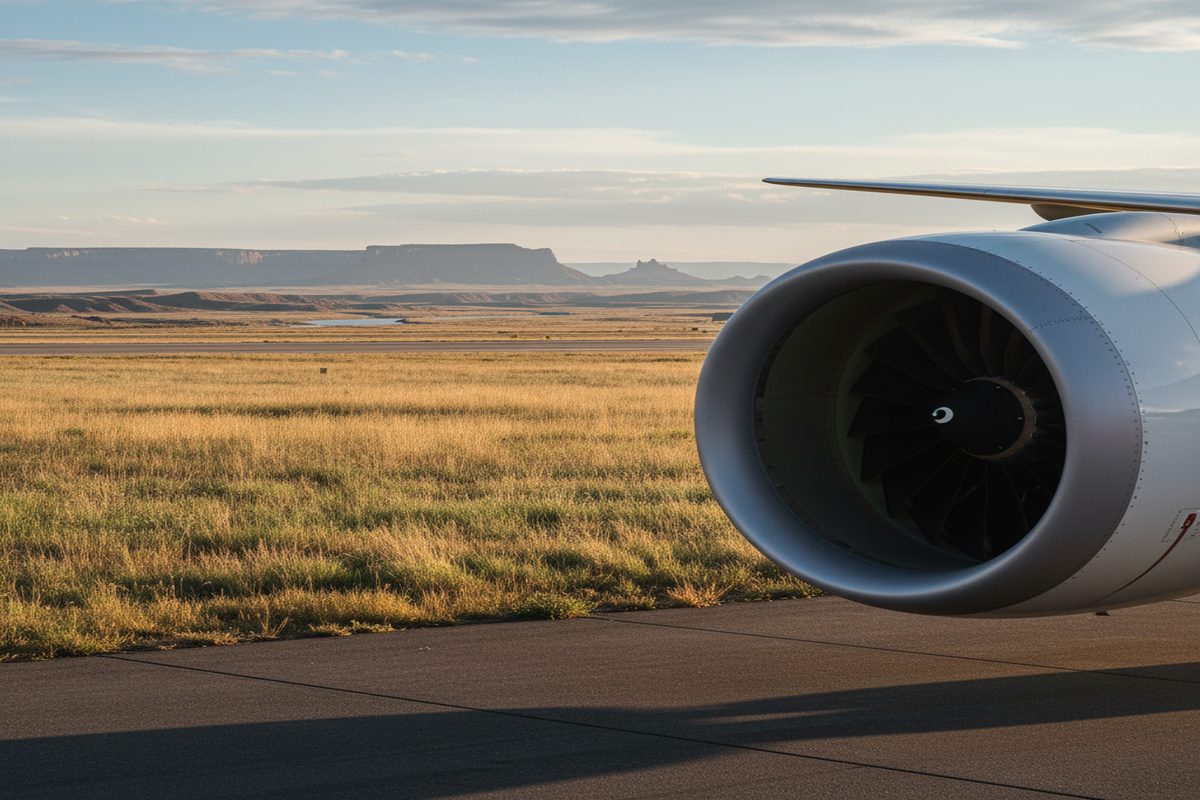
Furthermore, the airport’s elevation at 5,431 feet above sea level places it directly within major bird migration altitudes. Most songbird species migrate between 500 and 2,000 feet above ground level. Large waterfowl and raptors often travel between 1,000 and 5,000 feet. Denver’s high-altitude location intersects these flight paths at the most dangerous crossing points.
When Numbers Multiply Risk
Air traffic at Denver International has surged in recent years. This creates a mathematical equation for disaster: more flights plus established wildlife patterns equals exponentially higher collision risk. The airport now handles over 600,000 annual flight operations. Each takeoff and landing represents a potential encounter.
Federal Wildlife Services data reveals clear collision patterns. The strikes follow predictable seasonal spikes. Summer and fall migration periods bring the highest strike rates. Massive flocks of birds funnel through Colorado’s Front Range corridor during these peak months. Airport wildlife control teams work around the clock using multiple deterrent methods. They deploy pyrotechnics, propane cannons, and vehicle patrols to disperse congregating animals.
The threat extends well beyond birds. White-tailed jackrabbits account for hundreds of strikes since 2018. Coyotes, badgers, and foxes regularly breach inadequate perimeter fencing. These mammalian encounters pose particular dangers during night operations. Limited visibility makes detection nearly impossible until impact occurs.
Weather patterns also influence strike frequency. Winter storms push wildlife toward sheltered areas around terminal buildings. Spring snowmelt creates temporary wetlands that attract waterfowl. Summer heat drives animals to seek shade under aircraft and ground support equipment. Each seasonal change brings new wildlife management challenges.
Infrastructure Gaps Create Vulnerabilities
Denver International’s Wildlife Hazard Management Plan identifies critical infrastructure deficiencies. These gaps facilitate animal incursions across the massive airport property. The airport’s perimeter fence system cannot exclude smaller mammals effectively. Coyotes, rabbits, and other creatures dig underneath barriers to access active runways.
Standing water creates impromptu wetlands throughout the airport grounds. These areas attract waterfowl and their predators. Aging nest deterrents fail to prevent birds from establishing colonies near aircraft operations. Trees planted during early airport development now serve dual purposes. They provide perches for raptors while offering shelter for ground-dwelling mammals that hunt across the airfield.
USDA Wildlife Services recommendations include comprehensive upgrades. The plan calls for improved fence systems, better drainage infrastructure, and removal of wildlife attractants. However, implementing these measures across 53 square miles represents a massive undertaking. The logistical challenges are enormous. The financial investment would reach tens of millions of dollars.
Additionally, the airport’s grassland management practices inadvertently create attractive habitats. Mowed grass areas provide ideal hunting grounds for raptors. Unmowed sections offer nesting sites for ground birds. Water retention areas become breeding grounds for insects that attract bird populations. Every management decision creates unintended consequences for wildlife behavior.
The United Airlines Wake-Up Call
In April 2024, a United Airlines flight departing Denver International struck a wild animal shortly after takeoff. The collision forced an emergency return with a burning engine. The incident highlighted how wildlife strikes can escalate from routine operational hazards to life-threatening emergencies in seconds.
No fatalities occurred during this particular incident. However, the burning engine scenario represents aviation’s nightmare wildlife encounter. This type of emergency has killed 82 people nationwide since comprehensive strike reporting began in 1990. As recent incidents at Cincinnati demonstrate, even large commercial aircraft remain vulnerable. Industry experts consistently note that large mammals and multiple bird strikes pose the greatest catastrophic risks.
The United incident also demonstrated the economic costs involved. The aircraft required extensive engine repairs costing hundreds of thousands of dollars. The flight delay affected 200+ passengers and crew members. Ground operations were disrupted for hours as emergency response teams secured the scene. These cascading effects multiply the true cost of each wildlife strike far beyond initial impact damage.
National Context Shows Troubling Trends
Denver International’s wildlife crisis reflects broader national trends in aviation safety. The FAA’s Wildlife Strike Database recorded over 22,000 strikes across U.S. airports in 2024. This represents a 14% increase from the previous year. Since 1990, more than 319,000 strikes have been documented nationwide. These encounters have resulted in 126 aircraft destroyed and billions in damage costs.
However, Denver airport wildlife strikes far exceed the national average when adjusted for flight operations. The airport represents roughly 1.2% of U.S. commercial flights. Yet it accounts for nearly 4% of all reported wildlife strikes. This disproportionate concentration underscores the unique challenges of its prairie location and migration corridor positioning.
Comparative analysis with other major airports reveals striking differences. Los Angeles International handles more flights annually but records 60% fewer wildlife strikes. Chicago O’Hare processes similar traffic volumes with half the collision rate. These disparities highlight how geographic location and habitat management strategies directly influence safety outcomes.
Climate change further complicates national wildlife strike trends. Warmer temperatures extend migration seasons and alter traditional flight paths. Extreme weather events displace wildlife populations unpredictably. These environmental shifts make historical data less reliable for predicting future strike patterns.
The Compounding Effect
Denver’s metropolitan area continues expanding rapidly. Urban development pushes wildlife populations toward undeveloped airport property. The phenomenon creates a dangerous pressure-cooker effect. Animals seek refuge in the airport’s maintained grasslands and water features. Meanwhile, aircraft operations intensify overhead.
Rocky Mountain Arsenal National Wildlife Refuge sits adjacent to airport property. Barr Lake State Park lies just miles away. These protected areas serve as wildlife reservoirs that continuously supply animals to airport environs. This proximity means Denver International exists within an active ecological system. It cannot function as an isolated aviation facility.
Colorado’s population growth projections suggest air traffic will continue increasing substantially. Climate change may alter migration patterns while extending peak collision seasons. The convergence of these trends points toward escalating wildlife encounter rates. Fundamental changes in mitigation approaches will become necessary.
Urban sprawl also creates wildlife corridor disruptions. Traditional migration routes become fragmented by development. Animals concentrate in remaining open spaces like airport property. This habitat compression increases population densities within the airport’s operational areas.
Technological Solutions on the Horizon
Advanced radar systems now offer promising wildlife detection capabilities. These technologies can identify bird flocks at distances exceeding five miles. Real-time tracking allows air traffic controllers to adjust flight paths proactively. However, installation costs remain prohibitively expensive for most airports.
Drone technology presents another emerging solution. Automated drone patrols can monitor vast airport perimeters continuously. They can detect and deter wildlife without human intervention. Some systems integrate artificial intelligence to identify species-specific threats and deploy appropriate countermeasures.
Acoustic deterrent systems show growing effectiveness. These devices broadcast predator calls and distress signals to discourage wildlife congregation. Unlike traditional propane cannons, acoustic systems can target specific species without disturbing airport neighbors. They also operate more quietly during night hours when noise restrictions apply.
Looking Forward
Aviation safety experts argue that Denver International represents a crucial case study. The facility’s experience offers valuable lessons for other airports situated in ecologically sensitive areas. This knowledge becomes increasingly important as air travel demand grows globally.
Current mitigation strategies focus primarily on lethal control and short-term deterrence. These approaches may require supplementation with landscape-scale habitat management. Some researchers advocate for coordinated land use planning. Such efforts would channel wildlife movement away from airport operations while preserving essential migration corridors.
The 2024 strike numbers demonstrate that conventional wildlife control methods have reached their effectiveness limits. Despite potential data reporting inconsistencies, the trend remains clear. Whether through technological innovation, infrastructure investment, or policy changes, addressing the airport’s wildlife crisis will require solutions. These solutions must match the vast scale of the Colorado prairie that surrounds it.
Success will ultimately depend on integrated approaches. Wildlife management must coordinate with flight operations, urban planning, and conservation efforts. Only comprehensive strategies can address the complex ecological dynamics that create Denver’s unique aviation safety challenge.
Subscribe to FODNews for continued coverage of aviation safety challenges and solutions worldwide.
Sources
- FAA Airport Wildlife Hazard Management
- FAA National Wildlife Strike Database
- USDA Wildlife Services Airport Wildlife Control
- Denver International Airport Wildlife Hazard Management Plan (FAA-approved document)
- Federal Aviation Administration Strike Reporting Statistics, 2024
- USDA APHIS Wildlife Services Annual Reports, 2018-2024
- National Transportation Safety Board Aircraft Accident Database