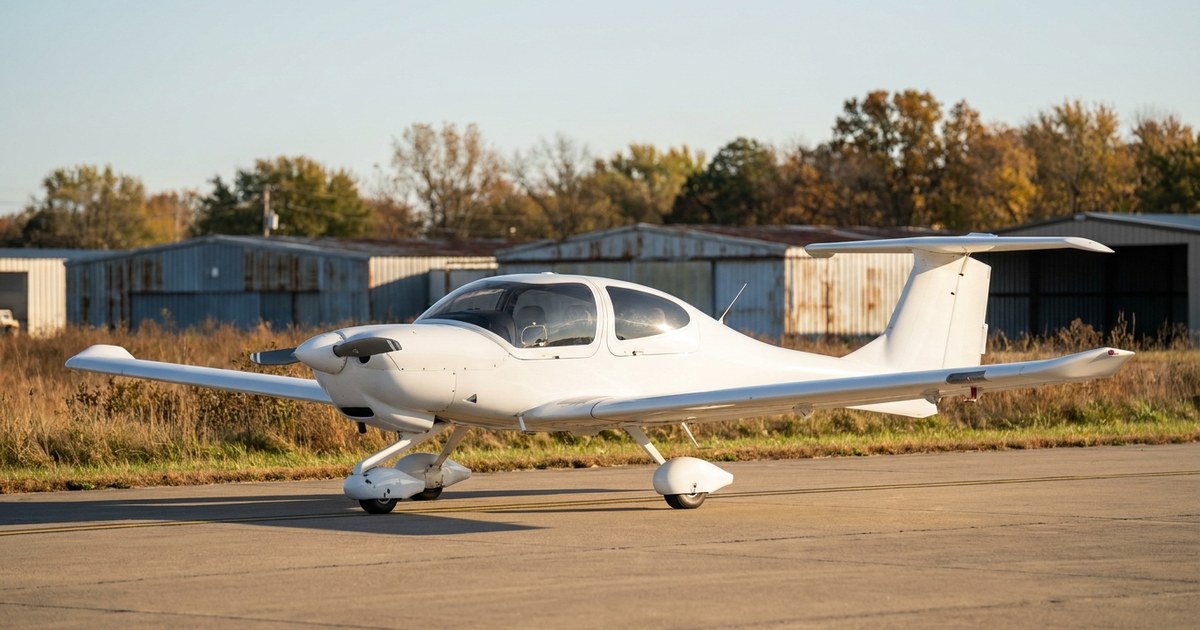
The Federal Aviation Administration has ordered passenger door inspections on Diamond Aircraft airplanes after several reports of DA40 door separation during flight. The final rule, AD 2026-22-06, was published Nov. 2 and takes effect Dec. 7.
The order covers all Model DA 40, DA 40 F and DA 40 NG airplanes, including about 987 on the U.S. registry. According to the FAA, a door that comes off in flight can damage the airplane, cause loss of control or injure people on the ground.
The rule, published in the Federal Register, is an interim step. Diamond is still looking into the problem. So far, no definitive cause has been found for some of the events.
What the DA40 door separation order requires
Operators have 100 hours of time in service or 100 days to do the first round of work. That work starts with a change to the airplane flight manual. The new text covers operating limits, emergency steps and normal procedures.
Next come the door checks. They cover the latches, safety hooks, hinges, door guide blocks, springs, warning light and door frame.
Operators must also measure the force needed to move the door handle and add placards. In addition, gas springs, hook parts and other items must be replaced as needed. Any faults the checks find must be corrected.
The FAA puts the first inspection at about $331 per airplane. The flight manual change adds about $85.
Why a door lost in flight is a debris hazard
Foreign object debris is often seen as a runway or ramp problem. However, a door that leaves an airplane in flight is debris too. It carries high energy, and no one controls where it lands.
The risks the FAA lists run in two directions. The airplane can suffer damage to its structure, and the pilot can lose control. At the same time, people below can be hurt.
The reports also carry a lesson about simple checks. According to Diamond, some of the doors were not latched properly, and some came off during attempts to latch them in flight. A door check before takeoff is therefore also a way to keep debris out of the air.
Still, habits alone may not settle the issue, since other events have no clear cause. For that reason, the checks reach well past the latch itself and into the door’s hardware.
Aircraft can send debris toward people on the ground in other ways. One recent case involved an Army Apache’s rotor wash at an Alabama car show.
Who is affected and what comes next
The U.S. action follows a Canadian one. Transport Canada issued AD CF-2025-30 on June 23, 2025, and that order prompted the FAA rule.
The FAA’s count of about 987 airplanes comes from its cost estimate, and AVweb reported the same figure.
Owners of newer airplanes will not get an exemption. The FAA turned down requests to leave out newer serial numbers. It said a secondary safety latch does not resolve the unsafe condition, and it noted that the DA40 NG has had door separations of its own.
Because the rule is interim, it may not be the last word. The FAA said more rulemaking is possible as Diamond’s investigation continues. For now, operators face the 100-hour or 100-day deadline.
Subscribe to FODNews for continuing coverage of FOD incidents and prevention worldwide.