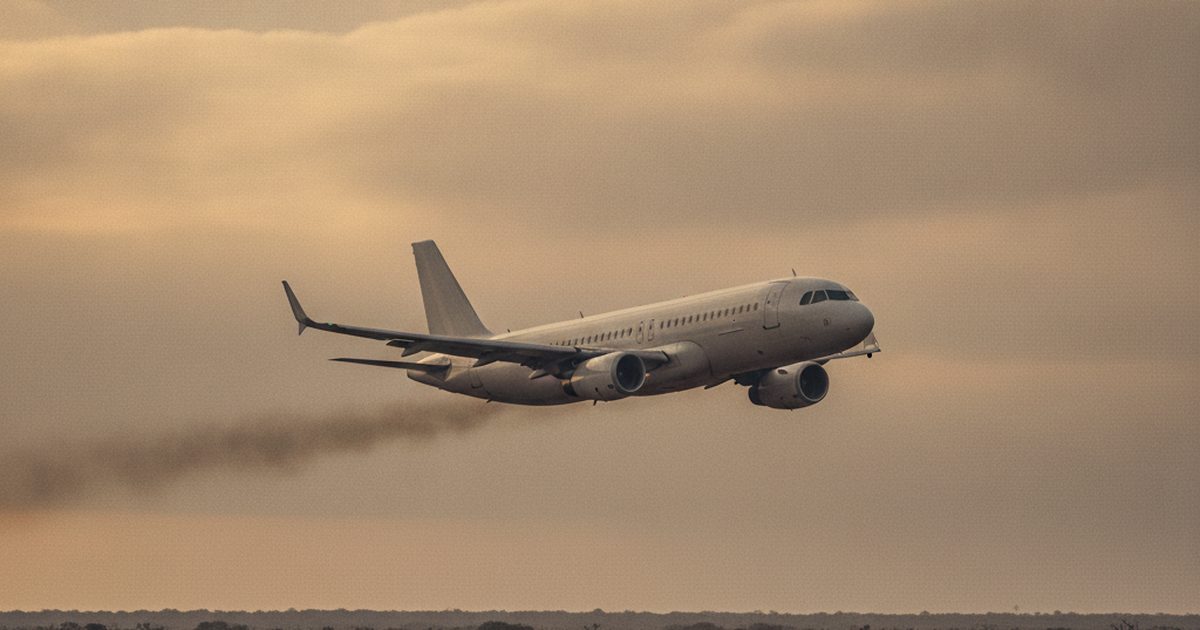
BRASÍLIA, Brazil — A LATAM A321 bird strike at Brasília’s Presidente Juscelino Kubitschek International Airport on July 29, 2026, sent the LATAM Airlines Brasil flight back to the gate minutes after liftoff. The aircraft’s left CFM56 engine ingested a bird seconds after rotation, producing a visible smoke trail that alarmed residents across the capital and forcing the crew to declare a precautionary return. The damaged engine later leaked fluid onto the runway, triggering a 20-minute closure that cascaded into delays for three additional flights.
What Happened: LATAM A321 Bird Strike on Departure
Flight LA3776, operated by an Airbus A321ceo registered PT-XPF, departed Runway 11L at approximately 08:41 local time bound for Salvador, in the state of Bahia. According to Aeroin, a bird was drawn into the CFM56 engine immediately after rotation, causing internal damage that generated the white smoke observed widely across the Jardim Botânico and Núcleo Bandeirante neighborhoods.
The crew executed two holding orbits before declaring a precautionary return. The aircraft touched down at Aeroporto JK roughly 30 minutes after departure. No injuries were reported among passengers or crew.
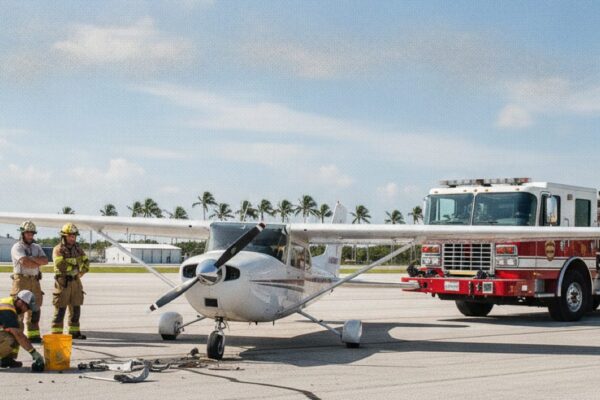
After landing and during taxi, the A321 leaked engine fluid onto the runway surface — Inframerica, the airport concessionaire, described the spill as engine fluid requiring emergency cleanup. Firefighting and maintenance crews responded immediately. The affected runway was temporarily taken out of service for approximately 20 minutes while teams cleared the contamination; the airport’s second runway remained open throughout.
Airline and Airport Response
LATAM Airlines Brasil confirmed the incident in a formal statement: “The LATAM Airlines Brasil flight LA3776 (Brasília-Salvador) on Wednesday (29/07) returned to the airport of origin and was cancelled due to a bird strike, a fact entirely beyond the company’s control. The landing occurred in complete safety.”
The carrier stated it was providing full assistance to affected passengers and rebooking them on alternative flights. Passenger count aboard PT-XPF at the time of the incident was not specified by the airline or by Inframerica in public disclosures.
No formal investigation announcement by Brazil’s ANAC or CENIPA had been publicly confirmed as of publication. Under Brazilian regulations, bird-strike events that result in aircraft damage are reportable occurrences; CENIPA routinely compiles such data through voluntary reporting by airlines and airports.
Brazil’s Bird Strike Surge
The Brasília incident is a microcosm of a broader national safety concern. A study released by ABEAR (Associação Brasileira das Empresas Aéreas), Brazil’s commercial airline association, documented 5,184 bird-strike events involving commercial aviation at Brazilian airports between 2022 and 2024 — an average of one collision every five hours. The data, drawn from CENIPA reporting, also shows the problem is accelerating: in the first half of 2025 alone, carriers recorded 1,148 bird strikes, a 32 percent increase over the same period in 2024, when 869 events were reported.
The ABEAR research found that 80 percent of bird-strike events occur during the two most vulnerable phases of flight: the initial climb after takeoff and the final approach to landing. On average, these incidents cancel roughly 100 commercial flights per year and affect approximately 27,000 passengers annually.
Engine ingestion events — where a bird is drawn into a running turbofan — carry particular risk because damage to compressor blades, fan stages, or combustor hardware may not be immediately visible from the cockpit. The July 29 Brasília event is not the first engine ingestion incident within the LATAM group. LATAM Chile experienced a similar engine bird ingestion when a vulture was drawn into an Airbus A320 at Puerto Montt, underscoring recurring wildlife-strike exposure across the airline group’s South American network.
Runway Contamination and Operational Impact
When a damaged engine sheds oil or fuel during landing rollout, it creates both a slip hazard and a potential FOD problem for following aircraft. Inframerica’s ground crews contained the spill within 20 minutes, limiting the disruption to three delayed departures. The airport’s second runway remained open throughout, preventing a wider operational standstill.
Brazil’s civil aviation regulator, ANAC, requires airports to maintain Wildlife Hazard Management Plans, but urban expansion pressures around major hubs continue to push bird populations closer to runway environments.
Subscribe to FODNews for independent coverage of foreign object debris incidents and aviation safety worldwide.
Sources
- Aeroin — Avião da LATAM colide com pássaro e solta fumaça de um dos motores após decolagem em Brasília
- Folha de S.Paulo — Avião Latam colide com pássaro e solta fumaça em motor
- O Globo — Voo para Salvador retorna a Brasília com fumaça após pássaro atingir motor de aeronave da Latam
- R7 Notícias — Voo da LATAM colide com pássaro ao decolar de Brasília e retorna ao aeroporto
- R7 / ABEAR — Brasil registrou 5.184 ocorrências de choque entre aves e aeronaves em três anos