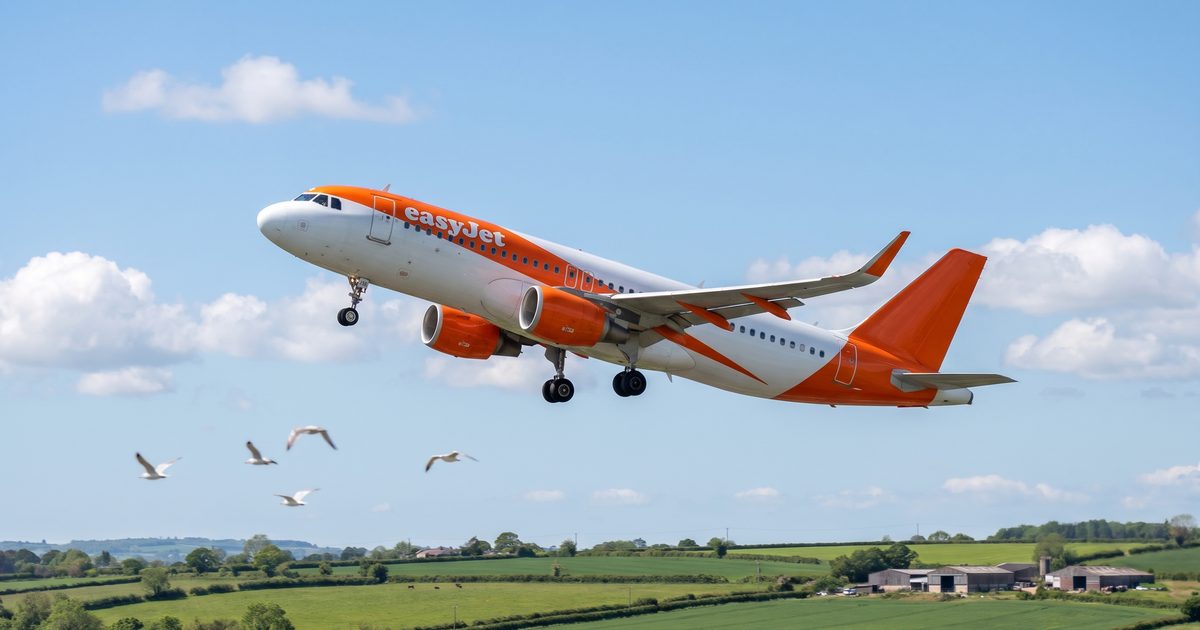
BRISTOL, England — The sound reached Ian Fergusson first. An Airbus A320 was climbing out from runway 27 at Bristol Airport on Wednesday morning, and something about its noise was off. Minutes later, the easyJet Bristol bird strike had turned a routine hop to Edinburgh into an emergency return, BBC News reported.
Flight EZY213 had hit a bird after takeoff. The crew turned around, circled over the Bristol Channel and landed safely, with emergency services waiting. Nobody was hurt.
A climb-out is when a bird can matter most. The jet is still low, its engines are working hard, and the crew has little time to choose. This crew chose to go back.
A weather presenter hears something wrong
Fergusson, a BBC West weather presenter, was not on the plane. He was on the ground when an odd noise from a departing aircraft grabbed his attention.
“I immediately recognised something was anomalous with the powerplant(s), based on the noise, although visually the climb-out looked normal,” he said, according to the BBC.
To the eye, then, nothing was wrong. The ear said otherwise, and the ear was right.
“Very soon after, I saw that the flight was declaring an emergency and I followed its safe return to Bristol,” Fergusson said.
How the easyJet Bristol bird strike unfolded
The flight left mid-morning on Nov. 18, bound for Edinburgh. It had reached 15,000 feet above the Brecon Beacons when it turned back, the Edinburgh News reported. The paper put the U-turn at about nine minutes into the flight.
Passengers then circled for about 15 minutes over the Bristol Channel. They touched down 40 minutes after they first took off, the paper said.
On the ground, help was already moving. Avon Fire & Rescue Service said it was called to assist Bristol Airport at 9:39 a.m., the Bristol Post reported. The service said the situation was “dealt with safely by airport staff.” The aircraft returned to the Somerset airport to be checked over, according to the Post.
“Flight EZY213 from Bristol to Edinburgh this morning returned to Bristol due to a bird strike after take-off,” easyJet said in a statement. “The flight landed normally and was met by emergency services on arrival as a precautionary and routine measure only in line with procedures.”
Passengers reach Edinburgh hours late
The airline apologized for the inconvenience and said the strike was outside its control. The safety of customers and crew, it added, is its highest priority.
The journey did not end in Bristol. Passengers boarded a second plane and took off again at 11:55 a.m., the Edinburgh News reported. That Airbus A320 landed in Edinburgh at 1 p.m., 3 hours 46 minutes after the scheduled departure.
A long morning, then. But a safe one.
Fergusson gave the credit to the people at the controls. He said the A320 crew reacted with “great professionalism.” Crews, he noted, are routinely trained to respond to engine failures and incidents on takeoff.
What the Bristol turn-back says about bird strikes
A bird is a foreign object that moves. It can meet an aircraft seconds after the wheels leave the ground, when the margins are thinnest. As a result, the defense often comes down to what happens next.
Here, each step held. The crew turned back early instead of pressing on to Scotland. Fire crews were called before the jet landed. The aircraft then went for checks, and a second plane took over the trip.
Still, the cost was real. One bird strike grounded an airliner, pulled in emergency crews and delayed a planeload of passengers by nearly four hours. Wildlife remains one of the hardest hazards to keep away from a runway.
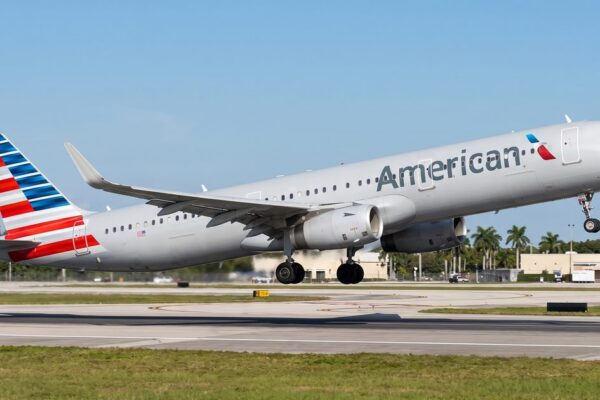
FODNews has reported on an American A321 that turned back to Fort Lauderdale after a bird strike and a Cathay 777 that took a bird into an engine at Heathrow.
In Bristol, the first warning was a sound. The answer was simple and correct: turn around, land and check the aircraft.
Subscribe to FODNews for continuing coverage of FOD incidents and prevention worldwide.