
Dangerous Bubble Wrap
August 14: A Boeing 777 made an emergency landing at London’s Heathrow Airport after a gradual accumulation of bubble wrap, wire and insulation blocked an air duct, leading to a failure of the cockpit’s oxygen system. Neglect FOD control and it will build up over time.

Did Cockpit FOD Destroy a Fighter?
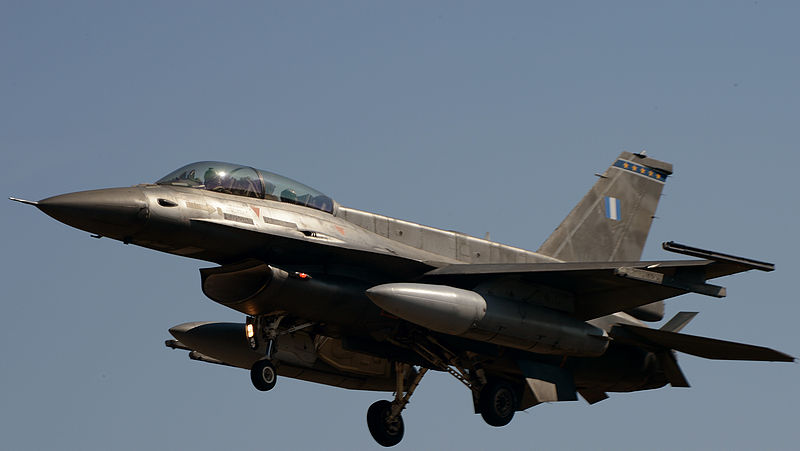
July 31: Investigators believe that an improperly stored checklist probably affected the controls of a Greek F-16 fighter jet, causing it to plunge to the ground shortly after takeoff in January, killing nine people.
Bird Strike DID Destroy Another Fighter
August 18: A flock of birds caused a Mirage F1 fighter jet from the Royal Moroccan Air Force to crash during a landing operation. The pilot ejected and survived.

All Hail the FOD
August 8: A hailstorm over the Great Plains of the central United States shattered the nose cone and cracked the windshields of an Airbus A320 on a Delta flight from Boston to Salt Lake City, forcing it to make an emergency landing in Denver.

Disaster Cleanups
August 13: The US Air National Guard usually collects FOD from its flight areas and shops. Now, the 109th Airlift Wing has a new mission: Deploy its new “debris clearance team” to disaster zones with chainsaws, skid steers, rakes and shovels to clear blocked roads, helping first responders and power companies to reach their destinations.

Skinning a B-52
August 5: Barksdale Air Force Base‘s 2nd Maintenance Squadron Fabrication Flight helps to keep the B-52 fleet free of FOD by maintaining the integrity of the venerable Stratofortress‘ metal skin and bones.

BASH-ing Bird Strikes
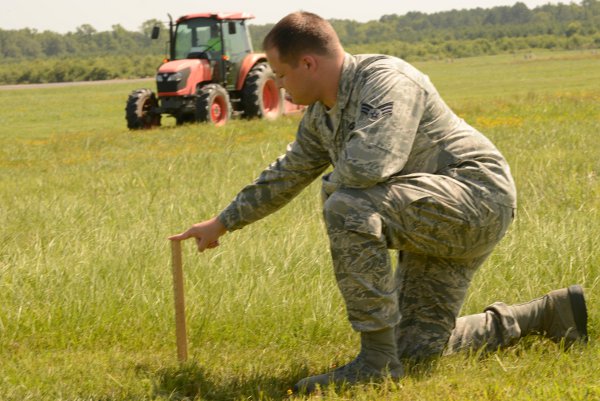
July 26: From lawnmowers to electric fences, A US Department of Agriculture wildlife biologist describes how he manages the Bird/Wildlife Aircraft Strike Hazard (BASH) program at Little Rock Air Force Base.
Invasion of the Drones
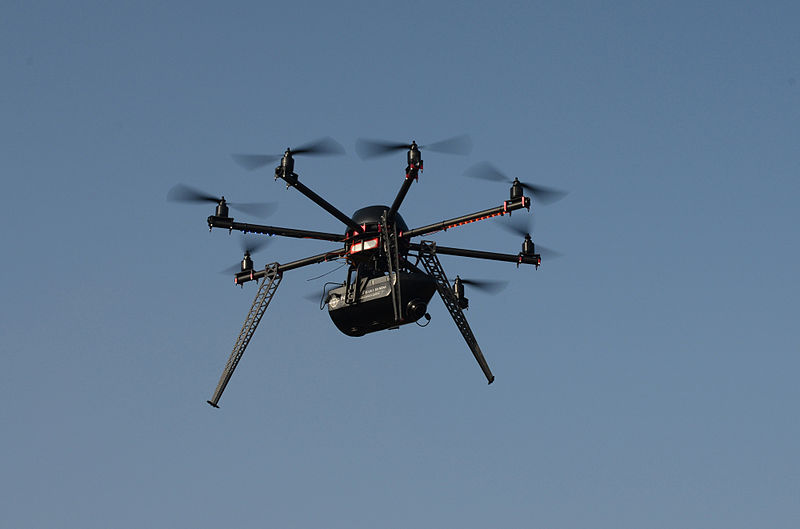
August 12: Reports of close calls between piloted aircraft and unmanned aerial vehicles could quadruple in 2015, endangering aircraft and even aerial fire-fighting operations, according to the Federal Aviation Administration. The agency stressed that illegal drone activity is a criminal offense that can result in fines or even jail time.
Reporting Wildlife
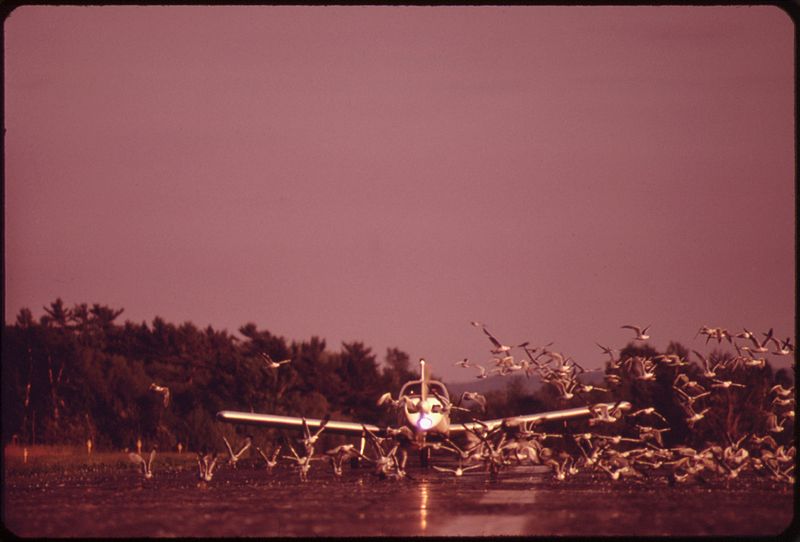
August 4: Both commercial and general aviation airports continue to improve their reporting of wildlife strikes to the Federal Aviation Administration. The voluntary reporting program is so successful that the agency concluded that it’s not necessary to make it mandatory at this time.
SlaughterFOD
August 20: Officials at India’s Biju Patnaik International Airport are concerned that the presence of nearby slaughterhouses, slums and agriculture attracts stray animals and birds to the airport.

Blown Tires, Dead Bears
July 27: Meet the North Carolina Department of Transportation maintenance specialists who ride that ribbon of highway every day, searching for and picking up large road debris, sometimes so stinky that even the prison road crews have a hard time touching it.