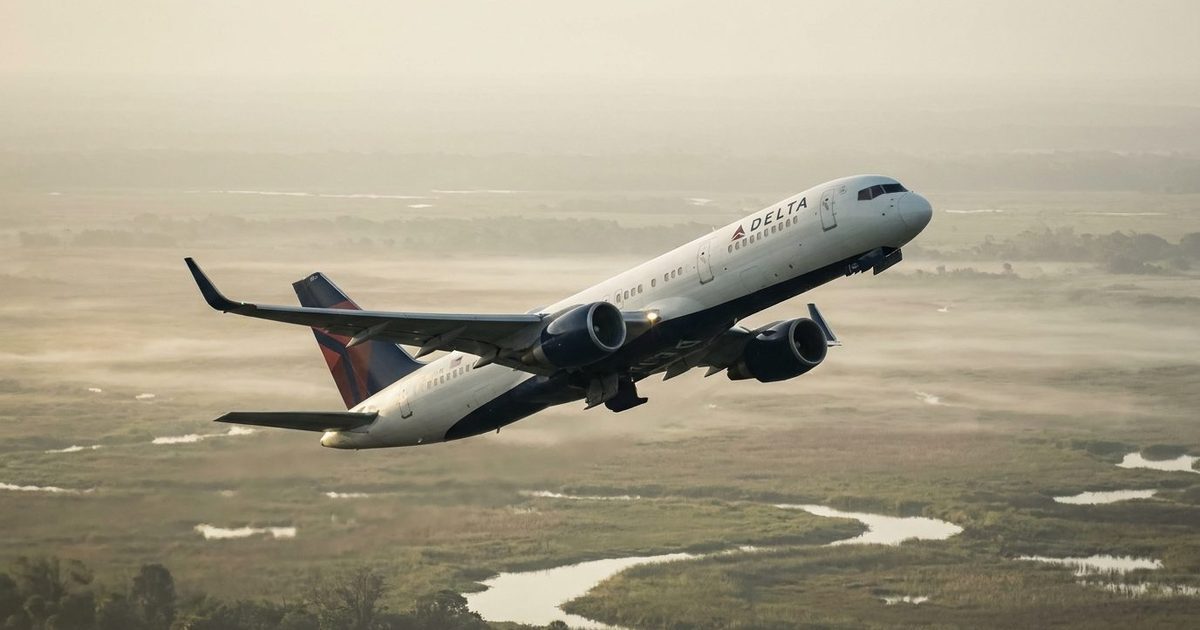
ORLANDO, Fla. — A Delta Air Lines Boeing 757 was rotating off Runway 35L at Orlando International Airport when it flew into a flock of birds, and birds went into both engines. The Delta Orlando bird strike hit Flight 1505 to Atlanta on Nov. 2, Airlive reported.
The crew did not turn back. According to Airlive, the pilots kept watch on the engines, climbed to 29,000 feet and flew on to Atlanta. The jet landed about an hour later, and no one was hurt.
Rotation leaves little margin. The nose is coming up, the engines are at takeoff power, and the ground is still close. Crews train hard for a bird in one engine. Birds in both engines at once are a rarer and more serious problem, because the same hazard reaches both sides of the aircraft at the same moment.
A flock at rotation on Runway 35L
The aircraft was a Boeing 757-200 registered N698DL. Airlive reported that it struck the flock at rotation, just as the wheels left the runway, and that birds were ingested by both engines.
Flight tracking backs up the trip itself. FlightAware data shows N698DL operated Flight 1505 from Orlando to Atlanta on Nov. 2. It left the gate shortly before 2 p.m. local time and landed around 3 p.m., a flight of about 64 minutes. The tracking confirms the flight, not the strike.
The bird strike account comes from a single source, Airlive.
Why the Delta Orlando bird strike counts as wildlife FOD
Most foreign object debris lies still: a loose bolt, a scrap of tire, a lost tool. Wildlife is different. It moves, it gathers in flocks, and it can rise into an aircraft’s path with no warning.
Once a bird enters an engine, it acts like any other foreign object. The fan blades at the front of a turbofan take the first hit. Even when an engine keeps running, a strike can leave nicks, bends or cracks that need a close look before the next flight.
That makes dual ingestion a concern even when the flight ends without drama. Two engines that met the same flock need the same careful check. Earlier coverage includes a Gol Boeing 737 MAX bird strike in Recife, another reminder of how quickly birds can turn a routine departure into an engine event.
On to Atlanta, with an inspection ahead
The choice to keep going is the part of this story that will draw the most attention. The crew monitored the engines as the 757 climbed, and the aircraft reached its cruising altitude of 29,000 feet before heading down into Atlanta about an hour after takeoff.
On the ground, the work shifts to maintenance. Airlive reported that an inspection was expected to check for possible fan-blade or structural damage.
For operators, the lesson is a familiar one. A safe landing ends the flight, but it does not settle the question of damage. What crews report and what technicians find after a strike decide whether an engine goes back into service, and when birds hit both engines, that inspection carries twice the weight.
Subscribe to FODNews for continuing coverage of FOD incidents and prevention worldwide.