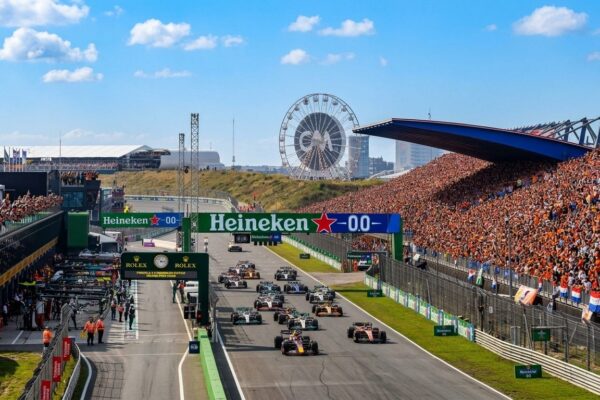
NAVAL BASE CORONADO, Calif. — A shed rear deck lid from Frankie Muniz’s truck triggered a Navy 250 debris caution on Lap 33 of Friday’s inaugural NASCAR Craftsman Truck Series race at Naval Base Coronado. The fragment of composite bodywork landed on the tarmac of one of the U.S. Navy’s busiest air installations.
The bodywork separated after Muniz’s No. 33 sustained hard contact during the 50-lap, 3.4-mile street circuit event. Race officials threw the yellow flag with roughly 18 laps remaining. Timing records logged it officially as “debris from Frankie Muniz’s truck.” Muniz finished 20th.
A Navy 250 Debris Caution With a Second Audience
In most racing settings, a dropped deck lid is an inconvenience — a yellow flag, a quick cleanup, race resumes. At Naval Base Coronado, the calculus is different.
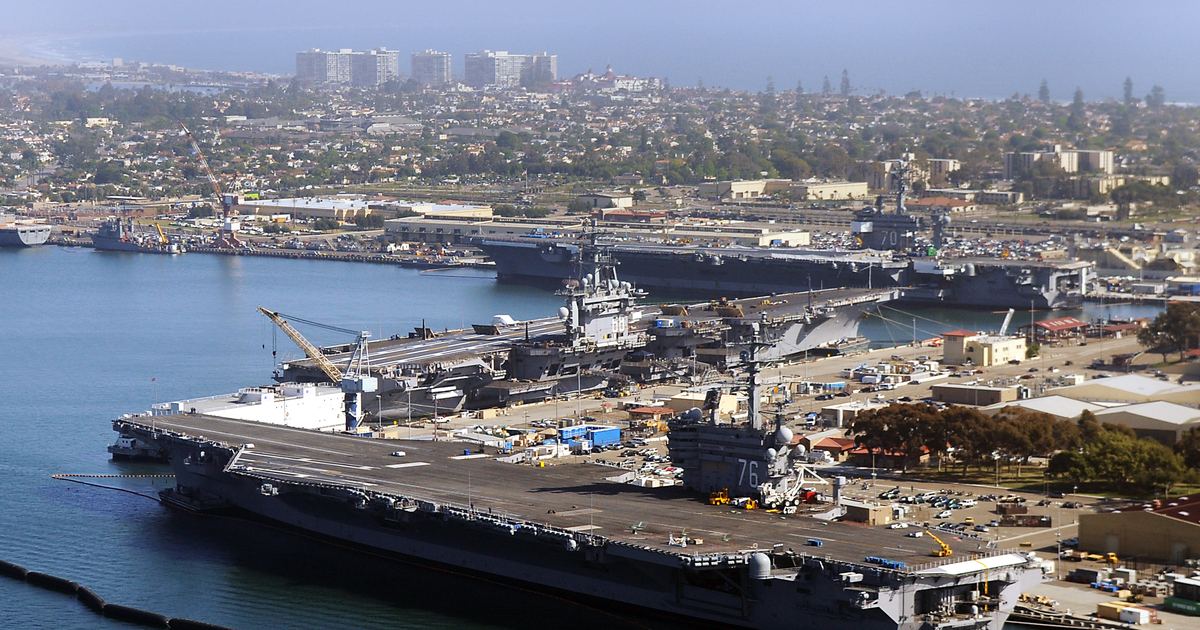
The base is home to Naval Air Station North Island, one of the largest naval aviation installations on the West Coast. F/A-18 Super Hornets, MH-60 Seahawk helicopters, and C-2 Greyhounds operate regularly from its flight line. The temporary road course, carved out for the Navy 250, ran across those same tarmac and apron surfaces. Every other day of the year, however, those surfaces fall under the Navy’s foreign object debris management protocols.
Yet a piece of bodywork on a military flight line isn’t merely a racing hazard. A turbofan engine can ingest any debris — including composite fragments — with potentially catastrophic results. The U.S. Navy’s airfield FOD programs, governed by NAVAIR procedures, exist precisely to keep that material off operational surfaces. Still, race day on an active installation means those two risk frameworks must operate simultaneously.
Strategy Consequences and Race Result
Meanwhile, the debris caution had immediate impact on the race outcome. Chandler Smith and Jimmie Johnson — both running near the front — ducked onto pit road for fresh tires during the yellow. Layne Riggs, who had been working his way through traffic, stayed out and cycled to the lead.
Riggs went on to win after a chaotic sequence of overtime restarts, according to Speedway Media. It was his fourth win of the 2026 season and ninth of his Truck Series career.
Temporary Circuits on Military Ground: A Distinct FOD Problem
The Navy 250 was the first-ever NASCAR points race held on an active U.S. military installation. As a result, it created operational complexity beyond what any permanent venue faces.
Established tracks integrate FOD management into their baseline operations. A temporary circuit on an active naval air station forces two distinct safety frameworks to share the same asphalt. Motorsport safety crews and military airfield managers carry different but overlapping mandates. Pre-race sweeps, debris monitoring during competition, and post-event clearance all carry added weight. That surface must be declared FOD-free before the next aircraft departure. Friday’s debris caution made that tension visible in real time.
In fact, the Craftsman Truck Series has seen debris management come under scrutiny before. Just two days earlier at Pocono, a wheel separation from Casey Mears’ Beard Motorsports truck triggered its own caution. That incident renewed questions about debris in the series. At Coronado, those questions had a second audience. The naval air station crew is responsible for returning the facility to full operational status after the final checkered flag.
Stay informed — subscribe to FODNews for daily coverage of FOD incidents and prevention worldwide.
Sources
- RacingNews.co — “San Diego Race Results: June 19, 2026 (NASCAR Truck Series)”
- Speedway Media — “Ford F-150 and Layne Riggs Win Inaugural NCTS Race on Naval Base Coronado” (June 20, 2026)
- Motorsport.com — “Chaos breaks out in NASCAR overtime, Layne Riggs wins in dizzying Truck finish”
- Daily Downforce — “Layne Riggs Wins Wild Inaugural Race at Naval Base Coronado in San Diego”