
NORWICH, England — A Ryanair bird strike Norwich departure forced a Boeing 737 MAX 8 to divert to East Midlands Airport on Tuesday. The crew declared an emergency shortly after takeoff.
Flight FR5883, operated by Malta Air on Ryanair’s behalf, departed Norwich Airport (NWI) at approximately 08:41 BST. It was bound for Malta International Airport (MLA). The aircraft, a 737 MAX 8 registered 9H-VUV, struck a bird during its initial climb, according to flight-tracking reports from AIRLIVE.
The crew halted the climb near 7,000 feet and entered a holding pattern over Norwich, then over Nottingham. They ran post-strike checklists throughout. About 30 minutes into the flight, the pilots transmitted squawk code 7700, the international transponder signal for a general emergency. The code alerted air traffic control to prioritize the aircraft.
Ryanair Bird Strike Norwich Diversion Timeline
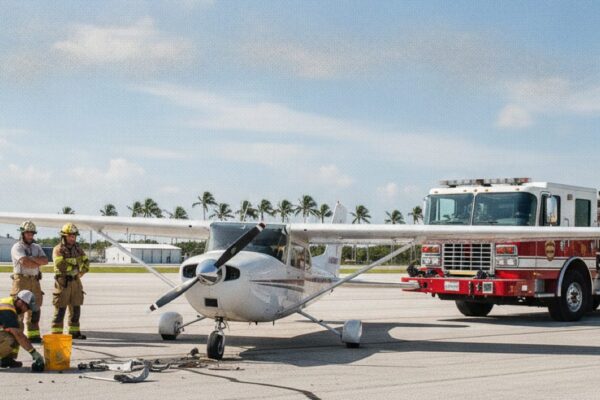
Rather than return to Norwich, the crew elected to divert to East Midlands Airport (EMA). The aircraft touched down on runway 27 at approximately 10:00 local time, according to the BBC. A fire engine met the aircraft on the runway as a precaution. Photos from the scene showed more than 10 engineers examining one of the aircraft’s engines after it vacated the runway.
Passenger Louise Walpole, seated near the affected engine, told the Eastern Daily Press that a burning smell filled the cabin within moments of the strike. A deep vibration followed. Cabin crew instructed passengers to refasten their seatbelts. Walpole said crew initially indicated the aircraft would return to Norwich. The decision later changed to divert to East Midlands instead.
Ryanair confirmed the diversion in a statement, saying the flight “diverted to East Midlands Airport following a minor bird strike shortly after take-off.” The airline added that the 737 did not carry out an emergency landing. The airline said it arranged a replacement aircraft to complete the Malta rotation. The new flight departed East Midlands at 12:16 local time — roughly 40 minutes behind the airline’s initially stated 11:40 a.m. target. Ryanair has not disclosed the number of passengers on board.
Minor strike or engine damage?
Ryanair’s public characterization of the strike as “minor” sits at odds with reporting from AIRLIVE. The outlet cited its own aviation sourcing in stating the aircraft “suffered a severe birdstrike on takeoff from Norwich, badly damaging an engine.” The extended engineering inspection on the East Midlands ramp points to a more significant post-strike assessment. That goes beyond a routine precautionary check. Passengers reported vibration and a burning smell, reinforcing that picture. Neither Ryanair nor Boeing has released findings from the engine inspection.
The incident adds to a run of UK bird-strike diversions this year. A Jet2 737-800 diverted to Manchester after a bird strike on departure from Leeds Bradford in April. Air India has logged repeated strikes at Patna Airport this year. Each case underscores the same operational reality: a bird ingested into a modern high-bypass turbofan can force a diversion regardless of how the airline later describes the severity.
Norwich Airport has not issued a public statement on wildlife-hazard activity connected to Tuesday’s departure. East Midlands Airport, which regularly handles cargo and diverted traffic, confirmed the aircraft vacated the runway without further incident.
Subscribe to FODNews for continuing coverage of bird strikes and FOD incidents worldwide.