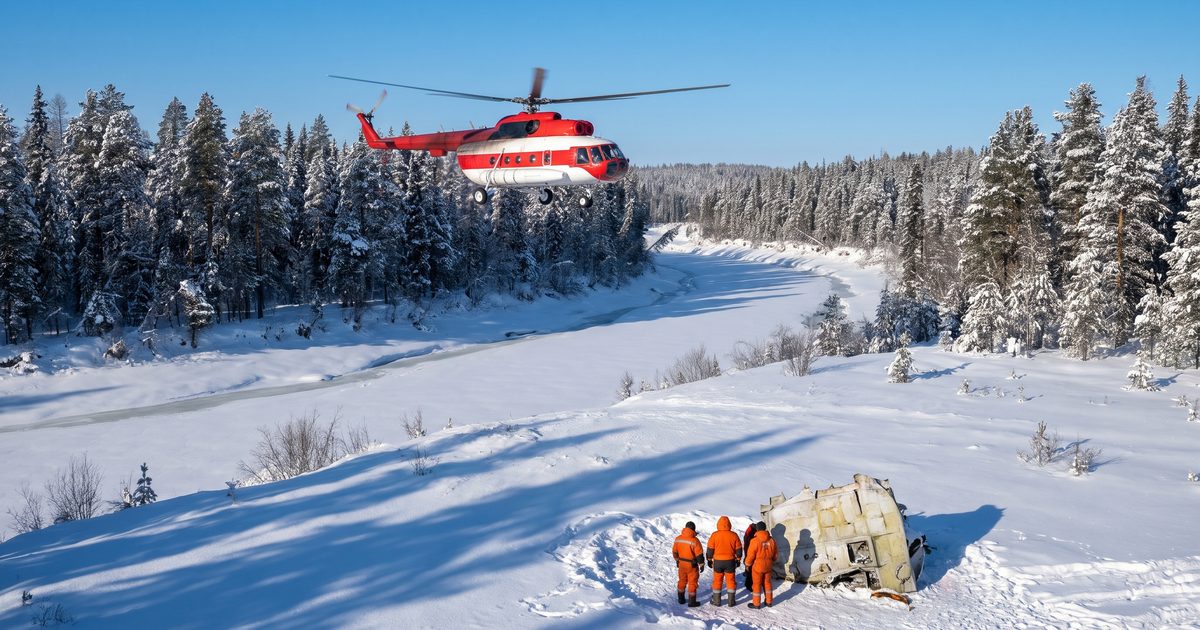
VILYUYSKY DISTRICT, Russia — An Mi-8T helicopter swept over a planned rocket drop zone on Tuesday, Nov. 17, and the team aboard found what it came for. Soyuz-2.1b stage debris lay in the taiga below, three days after the rocket left its pad, KP Yakutia reported.
The searchers were specialists from TsENKI, the center that operates Russia’s ground space infrastructure, flying with rescuers from Yakutia’s rescue service. From the air, they spotted and recorded fragments of the rocket’s separating parts.
Then the next job began. Removal of the fragments has been organized, and the specialists are now transporting them out of the area, according to AiF Yakutia. Until that work ends, the launch is not really over.
A normal launch still leaves hardware behind
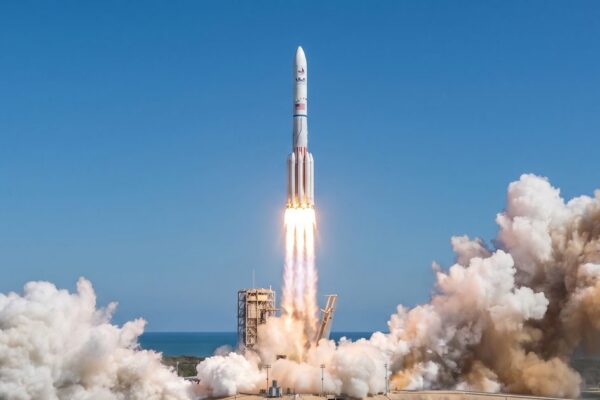
The rocket lifted off on Nov. 14 from the Vostochny cosmodrome in Russia’s Amur region. The launch went normally, EastRussia reported.
Normal does not mean nothing comes down. A rocket sheds parts as it climbs, and those parts have to land somewhere. Every launch works this way, and someone has to account for the hardware afterward.
Planners had chosen the landing areas in advance. Drop zones for the separating parts were set in four Yakutia districts: Aldan, Olekminsk, Vilyuysky and Verkhnevilyuysky.
So the fragments found on Tuesday were no surprise. They fell in a district the launch plan had already marked.
How the search found Soyuz-2.1b stage debris
A map only narrows the hunt. Someone still has to go and look.
That task fell to TsENKI’s Vilyuysky group, which KP Yakutia identified as the team working alongside the republic’s rescuers. They boarded the Mi-8T and surveyed the district from above.
The flight paid off. The team recorded the fragments it saw, and crews could then turn to hauling them out.
All three regional reports relay the same statement from the press service of Yakutia’s emergency ministry.
Why the cleanup matters to people nearby
The ministry framed the work in terms of people, not metal. Safety efforts in the rocket drop zones continue alongside the removal of discovered objects, it said, with a set of measures to protect the population.
It named the key task plainly: fully secure residents and shrink the debris-affected territory as fast as possible. Meanwhile, local emergency forces were operating in normal mode.
That order of priorities matters. Hardware that is found and removed cannot surprise anyone later.
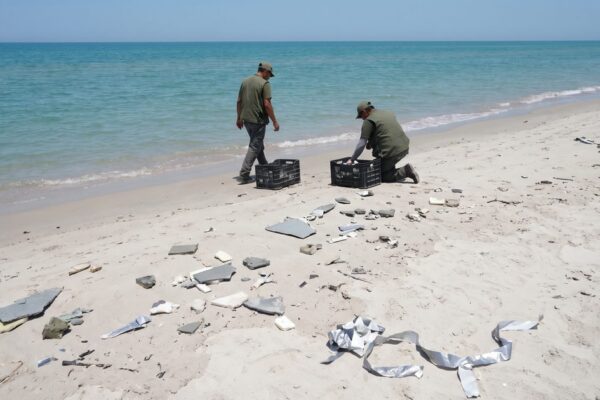
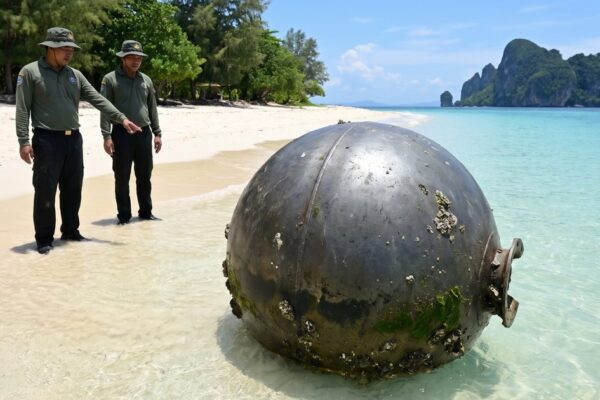
Rocket hardware returning to Earth is not unique to Russia. FODNews has reported on a Long March 12 debris zone off Palawan and suspected space debris that washed ashore on Krabi’s Bamboo Island.
What the drop zones teach about debris
The lesson from Yakutia is simple. Debris that falls where planners expect it can be found, recorded and carried away.
That is the value of a planned drop zone. It turns a vast search into a targeted one, and it lets crews reach the hardware within days instead of leaving it to chance.
It also shows that a launch does not end at liftoff. The helicopter flight, the survey and the haul-out belong to the same operation as the countdown.
Anyone who has walked a runway looking for stray metal will recognize the logic. Know where debris is likely to fall, go and look, then remove it before it can hurt someone. The same discipline applies at every scale, from a rocket stage in the taiga to a bolt on a taxiway.
Subscribe to FODNews for continuing coverage of FOD incidents and prevention worldwide.