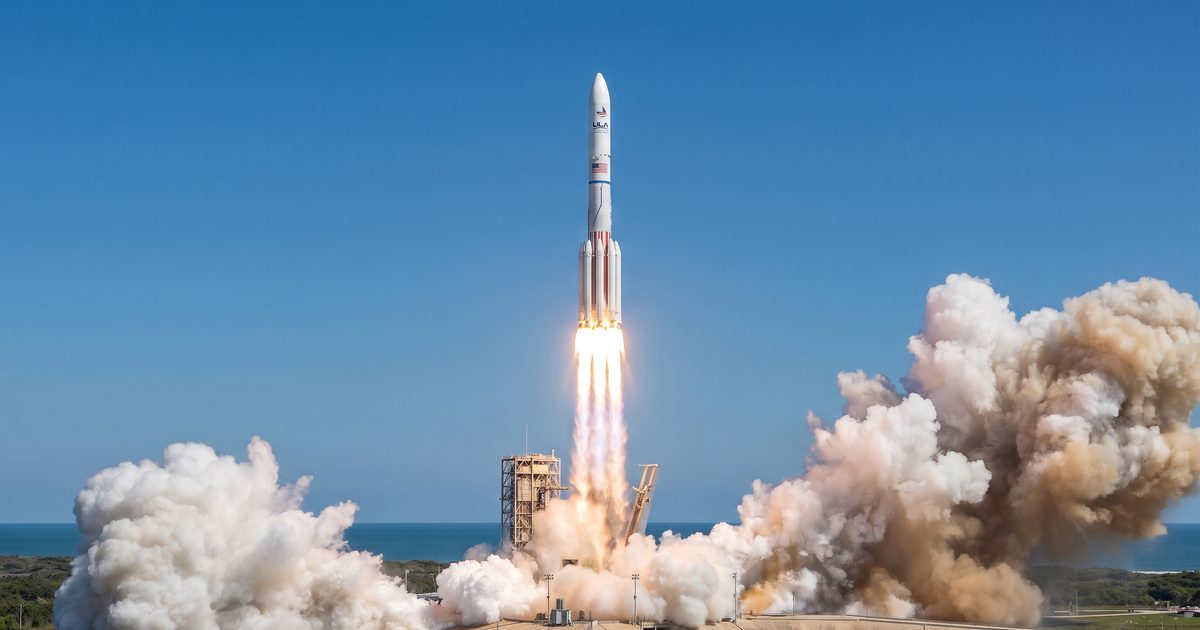
CAPE CANAVERAL, Fla. — At 12:40 p.m. Eastern on Sunday, Nov. 15, a United Launch Alliance Vulcan rocket rose from Space Launch Complex 41. It carried 40 Amazon Leo satellites. About 10 minutes later, the mission was lost. Soon Vulcan debris was falling through sky that planes had to stay out of.
Nothing reached orbit. Within the hour, the company said so on the ULA launch blog. The rocket had an anomaly 10 minutes into flight, it said, and failed to deliver the Amazon mission.
The trouble did not end with the rocket. The FAA activated two Debris Response Areas. It also briefly slowed or held aircraft while wreckage came down. A failed launch had become a problem for air traffic.
A fifth flight that fell short
This was Vulcan’s fifth flight, and the road to the pad was hard. Outer Space Today reported delays that weekend. A pump failed at a nitrogen plant. A network had a communication issue. Then a liquid-hydrogen relief valve problem pushed back the start of Sunday’s window.
Then the rocket flew. All six solid rocket boosters appeared to work as planned, the outlet reported. They came off as expected. But the satellites never made it to orbit.
Outer Space Today called it the first total failure in ULA’s history. SpaceNews also reported the failed launch that day.
How the FAA kept planes clear of Vulcan debris
The FAA put it in plain terms a day later. In a Nov. 16 statement, it said the mission “experienced a mishap.” Both Outer Space Today and 321 Daily reported the statement.
During the event, the agency activated two Debris Response Areas. It also briefly slowed or held aircraft “outside the area where space vehicle debris was falling,” Outer Space Today reported.
That is the part of a failed launch most people never see. A rocket fails, and debris comes down. Controllers must move fast to keep everyday flights clear of it.
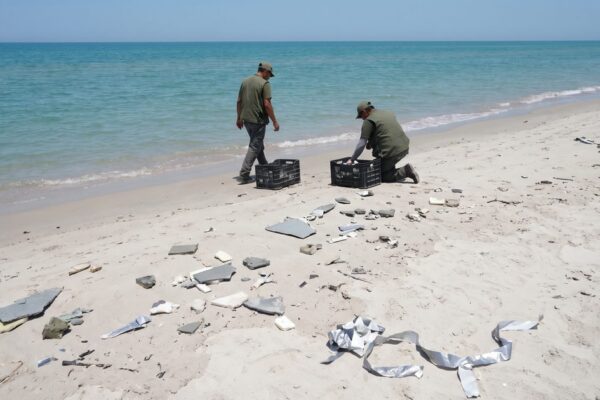
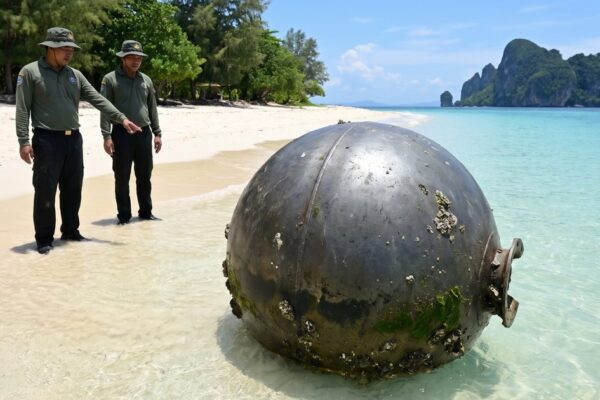
Falling space hardware is not only a Florida story. FODNews has reported on a Long March 12 debris zone off Palawan and suspected space debris that washed ashore on Krabi’s Bamboo Island.
What ULA’s early data shows
On Sunday, ULA said it had no specific data yet to explain what took place. By Tuesday, Nov. 17, it had a first account.
“While we appear to have lost telemetry and the mission at approximately 10 minutes into flight, early indications are that just after liftoff the launch vehicle experienced low booster performance, resulting in stage separation occurring when the vehicle was low in altitude and below minimal velocity to reach orbit,” ULA said.
In ULA’s wording, the booster is the rocket’s core first stage. The company did not say what caused the shortfall.
The second stage appears to have started as it should. Its RL10 engines ran as planned. The stage was doing well, ULA said, but could not make up for the lost performance.
The solid rocket boosters flew with nozzle changes made for this launch. By all signs, they worked as they should, too.
ULA stressed that it is very early. It wants to focus on the data, it said, and avoid guesswork until the investigation is done.
The hazard does not stay on the pad
For now, Vulcan waits. The FAA is making ULA run a mishap investigation. The agency will oversee it and take part in every step. It will also approve the final report, with any fixes that come out of it.
A return to flight hangs on one FAA finding: that nothing tied to the mishap affects public safety, 321 Daily reported. ULA said it knows what the loss means for its customers. It pledged to fly again as safely and quickly as it can.
The lesson reaches well beyond one rocket. When a launch fails, the danger is not only at the pad. It is wreckage dropping through sky that everyday flights also use.
On Sunday, the Vulcan debris came down while planes were slowed or held outside the area. Debris, once again, set the terms for everyone else in the air.
Subscribe to FODNews for continuing coverage of FOD incidents and prevention worldwide.
Sources
- United Launch Alliance — “Vulcan Leo 1 updates” (Nov. 15 and Nov. 17, 2026)
- Outer Space Today — “Vulcan Suffers First Total Failure in ULA History, Losing 40 Amazon Leo Satellites” (Nov. 16, 2026)
- 321 Daily — “What Vulcan’s failure means for the Cape” (Nov. 17, 2026)
- SpaceNews — “Vulcan launch of Amazon Leo satellites fails” (Nov. 15, 2026)