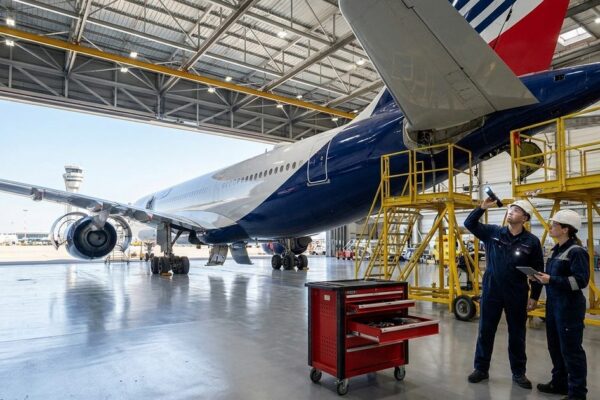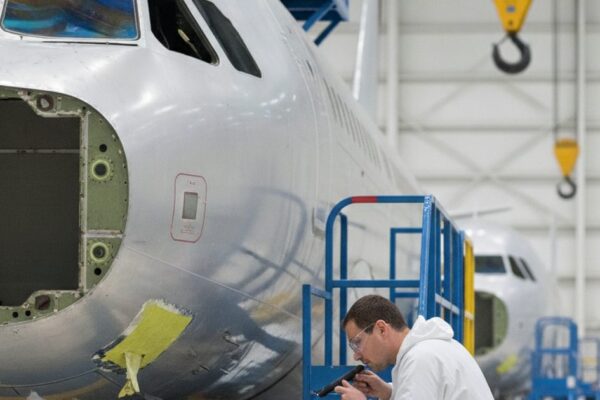
Airbus has confirmed that a mechanic’s tool was left inside the horizontal tail plane of an A330neo during production. The tool control lapse brought deliveries of the widebody jet to a near standstill for two months.
The planemaker said the object was found during a routine pre-delivery inspection. It triggered a fleet-wide check of every A330 then moving through the assembly line, a response that speaks directly to the discipline of tool control in aircraft manufacturing.
A Catch Before Delivery, Not a Failure in Service
“We confirm we recently identified an isolated quality issue on an A330 horizontal tail plane,” Airbus said in a statement reported by Reuters. “This led us to inspect A330s in the production process, slowing down monthly deliveries over the summer. The root cause is identified and A330 deliveries have resumed.”
Airbus delivered zero A330 aircraft in June and July. According to Reuters, Airbus handed over one A330 in August — one of 57 total commercial jets delivered that month. The company has not disclosed how many aircraft required inspection. It also has not said exactly where in the build process the tool went missing.
Why a Tool Control Gap Stopped an Entire Production Line
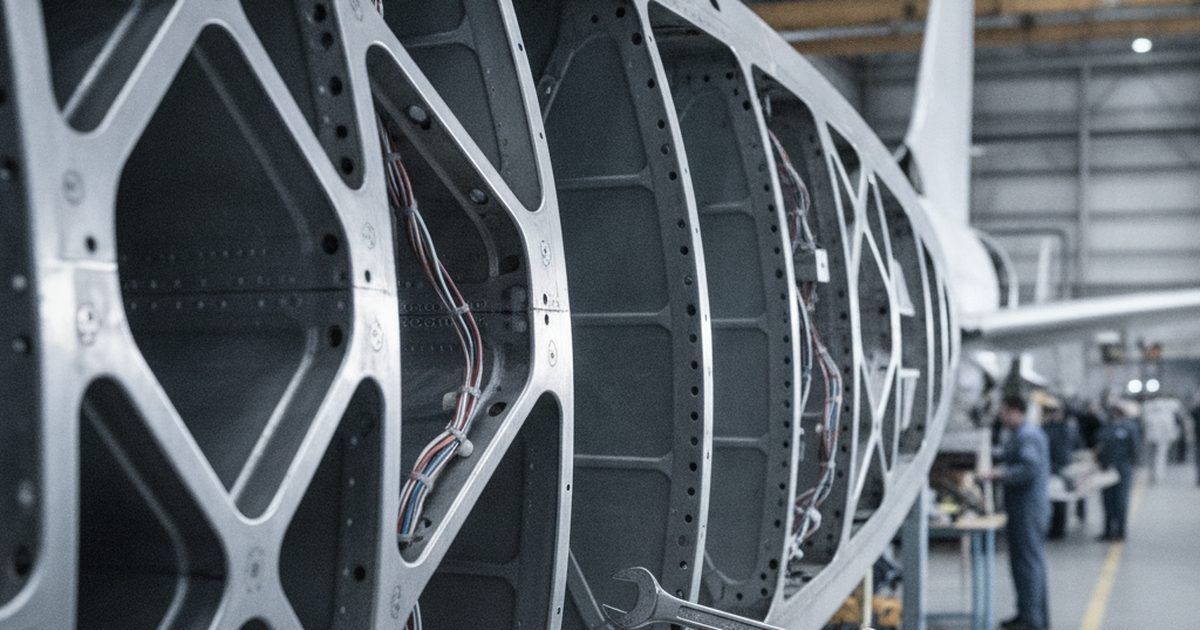
The horizontal tail plane is the flight-control surface that governs an aircraft’s pitch and nose angle. It is structurally sealed once assembled. Anything left inside — a wrench, a socket, a rag — cannot simply be shaken loose or spotted on a walk-around. It has to be caught before the structure closes. Otherwise, it has to be caught later through inspection, disassembly, or worse.
That is the core failure mode tool control programs exist to prevent. Every tool must be accounted for at every stage. A documented trail must prove nothing entered the structure that wasn’t supposed to be there, and nothing left is missing. When that trail breaks, the only reliable backstop is inspection. That’s exactly what happened here, and exactly why it was expensive. Airbus effectively idled A330 handovers for two months to re-verify that control. It should have caught the object at the point of assembly.
Component Built in Spain, Issue Unrelated to Strikes
Airbus manufactures the affected horizontal tail plane at its aerostructures facilities in Spain. Airbus said the quality lapse is not connected to a recent series of strikes at its Spanish plants. The company added that it has identified and corrected the root cause, allowing deliveries to resume.
Aviation trade outlets, including Aviation News, corroborated the Reuters reporting. They noted the pause reflected fleet-wide audits rather than a single grounded aircraft. Airbus has said no A330neo already in airline service requires inspection or corrective action as a result of the finding.
The FOD Angle: Prevention Working as Designed, at a Cost
This wasn’t a stray tool that made it onto an operating aircraft. It was caught on the ground, before delivery, which is the system working. But “working” still meant two months of near-zero A330 handovers. Airbus spent that time re-checking its own tool control chain across an active production line.
That is the trade-off built into every manufacturing FOD prevention program: inspection is the backstop, not the fix. The fix is a tool control process robust enough to close off that path entirely. A wrench or socket should never reach a sealed structure in the first place. When it does, the cost isn’t measured in incidents. It’s measured in idled deliveries, audits, and a supply chain waiting on root-cause analysis before production can resume.
FODNews has covered similar tool-control failures elsewhere in the industry. One example: a tool-control lapse tied to a Lufthansa 787-9 nose gear collapse. The common thread is the same. Positive, documented accountability for every tool, at every stage, is the only control that scales.
Subscribe to FODNews for independent coverage of foreign-object incidents and prevention across aviation and industrial manufacturing.