Alaska Airlines Tire Debris Found on Dulles International Runway After Aircraft Ground Incident
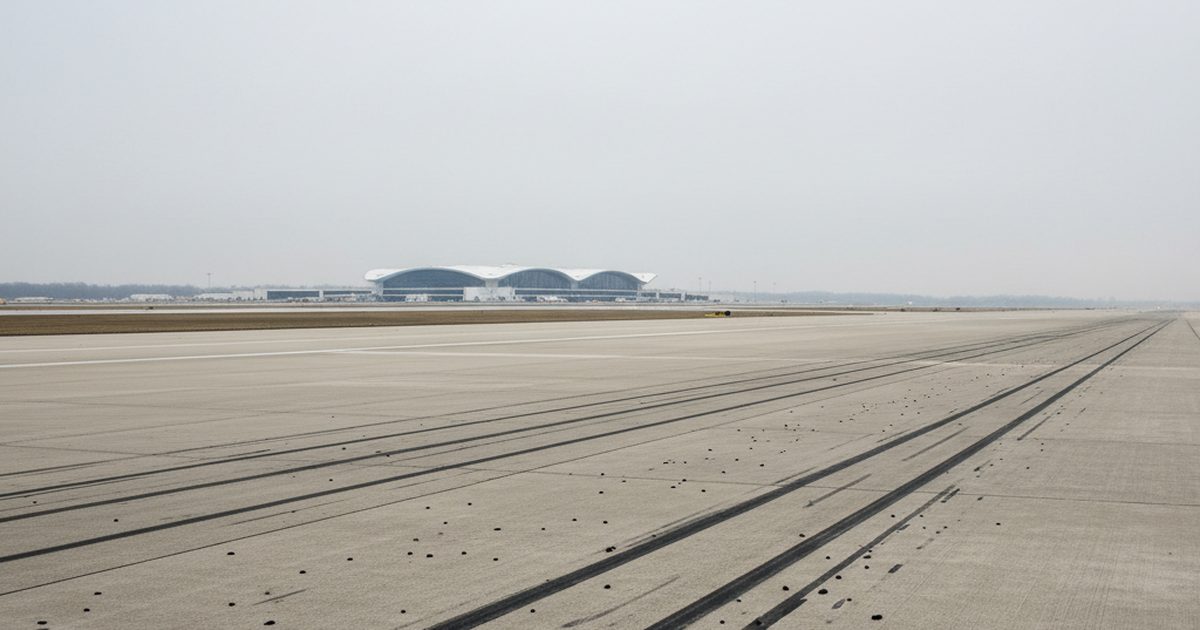
DULLES, Va. — Airport crews found Alaska Airlines tire debris on a runway at Washington Dulles International Airport on the evening of Nov. 14, 2024. The Metropolitan Washington Airports Authority (MWAA) confirmed the aircraft suffered a main gear tire failure during departure.
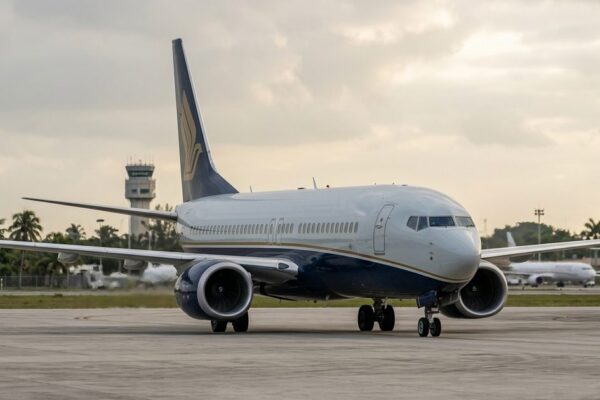
Staff discovered the debris at approximately 6:10 p.m. and promptly cleared it. Preliminary reports identified the source as Alaska Airlines Flight 309, a Boeing 737-900 bound for Los Angeles International Airport.
Flight Continued to LAX; Emergency Declared on Arrival
The flight crew did not declare an emergency at Dulles or return after the tire failure. Instead, the aircraft continued to Los Angeles, where pilots declared a precautionary emergency on arrival.
Flight 309 landed safely at LAX at approximately 8:10 p.m. Pacific Time. All 175 passengers and six crew members were uninjured.
Passenger video published online captured the pilot instructing those aboard to “brace, brace” before touchdown. Applause followed when the plane came to a stop without further incident.
Alaska Airlines confirmed the tire malfunction in a written statement. “While this incident is a rare occurrence, our flight crews train extensively to safely manage through many scenarios,” the airline said. “We understand this might have been a concerning moment for our guests on board. We apologize for what they experienced.”
Alaska Airlines subsequently pulled the aircraft from service pending investigation by the airline and the Federal Aviation Administration.
The FOD Risk Tire Debris Creates
In particular, tire-originated runway debris is among the most dangerous categories of foreign object debris at commercial airports. Fragments shed during takeoff or landing can remain on active runways, posing immediate risks to following aircraft.
Specifically, engine ingestion is one primary hazard. Rubber and cord fragments can enter a jet engine during ground roll, causing compressor damage or failure. Moreover, tire puncture presents another concern. Debris from a blown tire can lacerate subsequent aircraft tires, potentially cascading into a second runway event.
The deadliest FOD-related accident in commercial aviation history involved tire debris directly. In July 2000, Air France Concorde Flight 4590 blew a tire after striking metal debris on a Paris runway. The disintegrating tire ruptured a fuel tank and ignited a fire that brought the aircraft down minutes after departure. All 109 people aboard and four on the ground died. The NTSB has cited foreign object debris as a persistent, preventable aviation safety threat.
Additionally, the FAA governs runway FOD detection and management at commercial airports through Advisory Circular AC 150/5210-24, which outlines inspection frequency, detection technology standards, and reporting requirements. FODNews tracks incidents where these protocols are tested — see our runway FOD incident coverage for related reporting.
Rapid Response at Dulles
Meanwhile, MWAA staff cleared the debris within minutes of discovery. No other aircraft reported damage in connection with the incident. Dulles reported no extended runway closures as a result.
However, investigators had not publicly confirmed the cause of the tire failure on Flight 309 as of this report. The FAA and Alaska Airlines had not released investigation findings.
Sourcing note: This report draws on initial media accounts and FAA statements. The investigation remains open. FODNews will update as additional information becomes available.
Sources
- WJLA 7News — Alaska Airlines debris found on Dulles runway (Nov. 14, 2024)
- WJAC TV — Debris believed to be Alaska Airlines plane tire found on Dulles Airport runway
- Fox 5 DC — Alaska Airlines flight tire malfunction left debris at Dulles runway
- FAA — Accident and Incident Statements
- FAA — Airport Foreign Object Debris Safety
- NTSB Safety Alert SA-054 — Foreign Object Debris
Subscribe to FODNews for the latest on runway safety, FOD incidents, and airport operations worldwide.