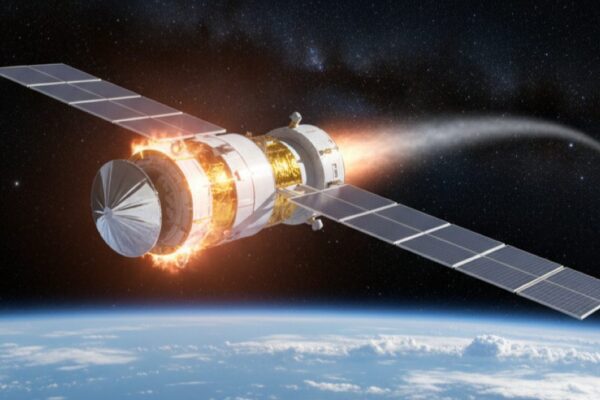
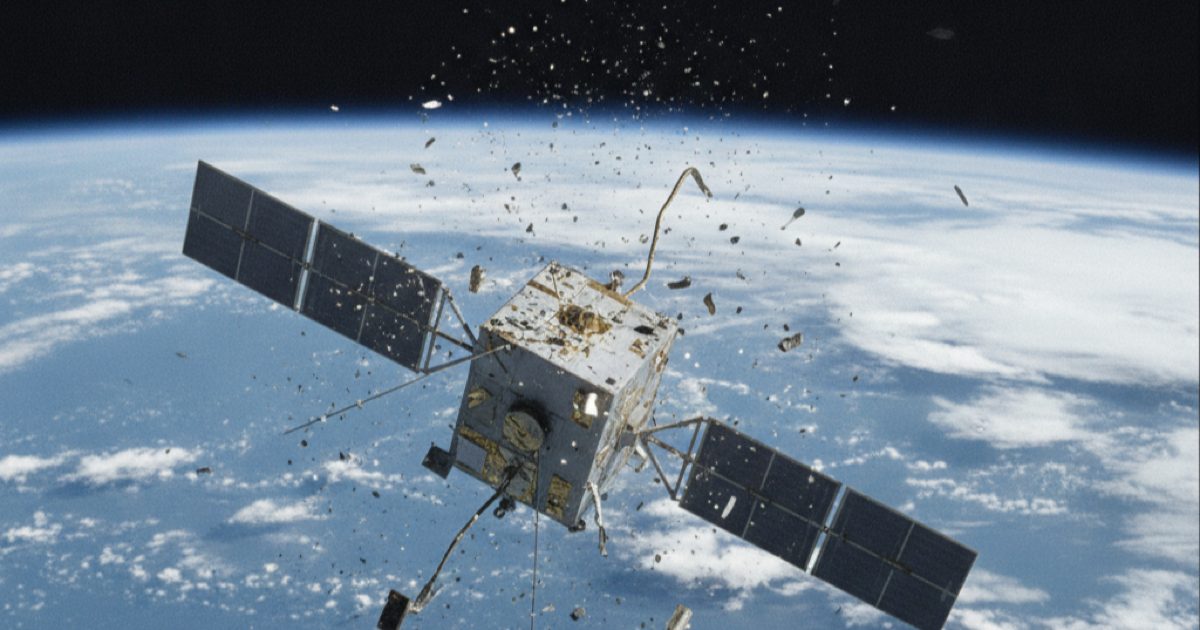
A derelict Soviet-era weather satellite has broken apart in orbit, and the Meteor 2-7 breakup has added tens of new debris fragments to an already crowded altitude band, according to the commercial tracking firm that detected it.
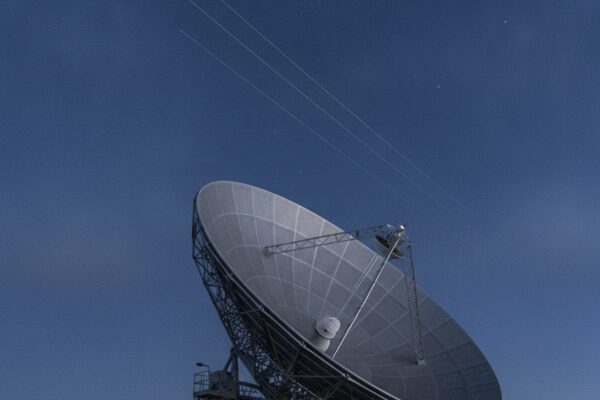
LeoLabs, which operates a global network of ground-based radars, said its LeoLabs Delta system spotted multiple objects near the inactive Meteor 2-7 satellite on Oct. 5, 2026, as it passed over a radar station in Western Australia. Follow-up passes from other radars in the network then confirmed a debris-generating event, LeoLabs said in posts on X.
What caused the Meteor 2-7 breakup
Meteor 2-7 is a Soviet weather satellite that launched from the Plesetsk Cosmodrome on May 14, 1981, carrying the international designator 1981-043A and U.S. catalog number 12456, according to satellite tracking data. For years it observed clouds and atmospheric conditions for the Soviet Union before going inactive decades ago.
Orbital debris expert Jim Shell narrowed the event to roughly 09:45 UTC on Oct. 5, plus or minus 10 minutes, based on tracking data, EarthSky reported. Shell said on X that Meteor 2-7’s 81-degree inclined orbit was passing near its highest-latitude point, where debris density is greatest, and wondered whether the satellite had been struck by an untracked object rather than suffering an internal failure. He said the exact cause will likely never be confirmed.
LeoLabs has not attributed the breakup to a specific cause in its public statements, and no space agency has confirmed whether leftover propellant, a battery failure or a collision was responsible.
This is not the first time Meteor 2-7 has fragmented, according to Shell. He said on X that the same satellite broke apart once before, in March 2004, a claim echoed by independent satellite trackers reviewing the object’s catalog history. If accurate, the October event would be the satellite’s second known breakup in just over two decades, though neither LeoLabs nor the three outlets FODNews consulted for this story independently verified the earlier date.
Tens of new fragments at a dangerous altitude
The new debris cloud sits at an average altitude of about 855 kilometers, within the 800- to 900-kilometer band that LeoLabs and independent trackers identified as the satellite’s orbit. The U.S. Space Force’s 18th and 19th Space Defense Squadrons, working with Space-Track.org, maintain the authoritative public catalog of tracked objects, including new fragments from breakup events like this one.
Because the atmosphere at that altitude is too thin to meaningfully slow objects down, NASA’s Orbital Debris Program Office says debris at roughly 800 kilometers can remain in orbit for decades or even centuries. That makes the Meteor 2-7 fragments a long-duration hazard rather than a short-lived nuisance.
LeoLabs said the Meteor 2-7 event is part of a broader pattern it has tracked over the past six months, including a March anomaly involving a SpaceX Starlink satellite and an August fragmentation of a Chinese Long March rocket body. “This is the latest in a series of events we’ve seen over the last six months,” the company said in a post on X. “Together, they point to a worrying trend for space safety and security, and underscores the critical need for persistent sensing.”
Objects in low Earth orbit travel at roughly 17,500 mph, fast enough that even centimeter-sized fragments can disable or destroy an active spacecraft. As a result, repeated fragmentation events like this one feed long-standing concerns about a runaway cascade of collisions, sometimes called Kessler Syndrome, in crowded orbital shells.
Meanwhile, FODNews has tracked a string of similar incidents involving aging hardware, including the breakup of the decades-old U.S. reconnaissance satellite USA 32 and the fragmentation of China’s Yaogan-50 satellite, both of which added trackable debris to already congested orbits.
Subscribe to FODNews for continuing coverage of FOD incidents and prevention worldwide.
Sources
- EarthSky — “Another satellite breakup raises concerns about space junk” (Oct. 9, 2026)
- Space.com — “A dead Soviet satellite just broke apart in orbit (again). Experts say it’s part of ‘a worrying trend'” (Oct. 8, 2026)
- The Independent — “A Soviet satellite just broke apart and is threatening other spacecraft” (Oct. 9, 2026)