MEXICO CITY — President Claudia Sheinbaum used her morning news conference at the National Palace on Thursday, Nov. 26, to raise a question that reaches far above the beach. Mexico, she said, wants U.S. and Mexican airspace officials to meet over SpaceX launches from Starbase, Texas.
Mexico made the request through the U.S. Embassy. It covers three things: permission to use Mexican airspace, how often, and, if necessary, moving the launch site.
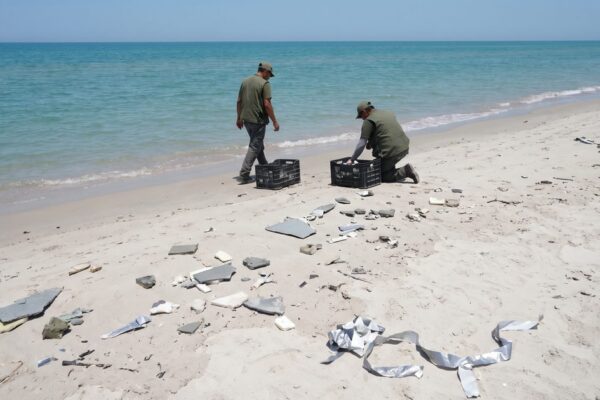
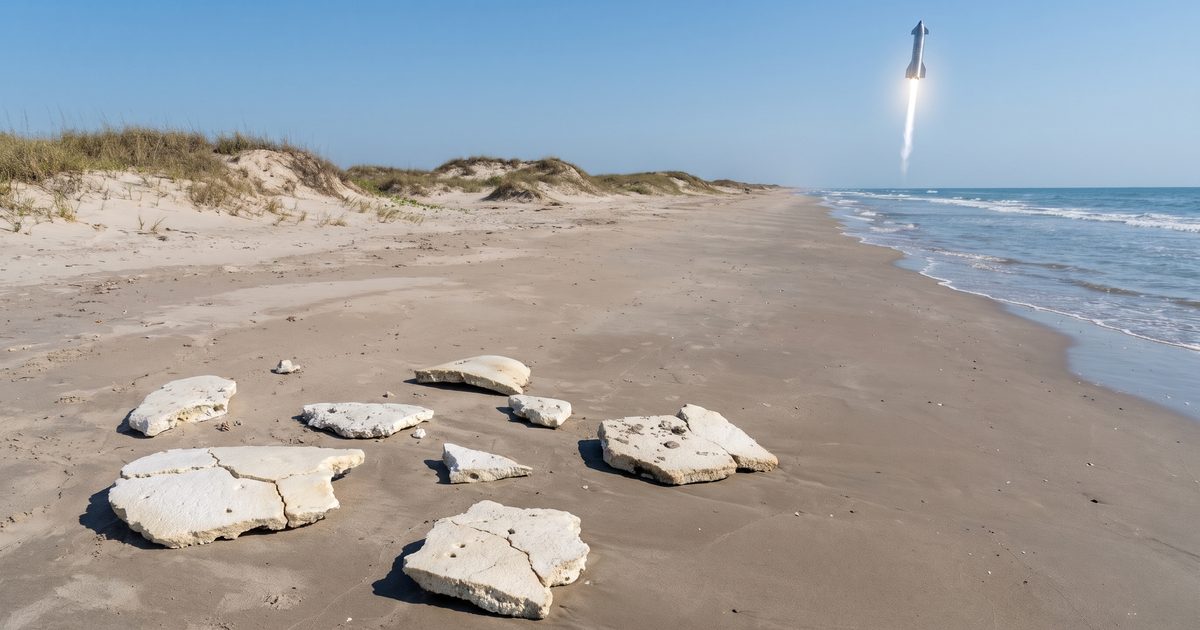
It marks a new turn in a dispute that began on the sand. Earlier this month, Mexican officials said debris from a Starship flight had washed ashore in Tamaulipas. SpaceX disputes that. Now the argument has moved from the shoreline to the sky.
Why Mexico SpaceX airspace talks are on the table
Sheinbaum laid out the goal in one long sentence. “What we are seeking, through the embassy, is a meeting between US and Mexican airspace authorities so that permission for the use of Mexican airspace can be established, how often it would be used, and, if necessary, the relocation of the launch site,” she said, in a translation reported by Al Jazeera with Reuters.
Her reasoning was simple. SpaceX rockets use part of Mexican airspace, she said. That requires a permit from Mexico’s civil aviation agency, according to AP. Each permit means setting aside the airspace so a launch does not clash with other flights, Infobae reported.
She also drew a line around who should be in the room. In her view, the relationship is with the U.S. government, not with the company. It is not for Mexico to set the terms of these flights with a private firm, El Universal reported.
A launch site near the border wants far more flights
Geography drives the issue. SpaceX launches from three U.S. sites, AP noted. One sits at the southern tip of Texas, near the border with Tamaulipas and the Gulf of Mexico. That is where the company develops, tests and launches Starship.
The pace could change sharply. SpaceX wants the Federal Aviation Administration to let it greatly expand activity at Starbase, Al Jazeera reported. The site was previously allowed 25 launches and 50 landings a year. The request is for 456 launches and 912 landings.
Sheinbaum pointed to the company’s projection of about 400 flights a year. A number like that, she said, would mean weighing the effect on Mexico’s own air traffic.
The debris question remains open
Then she turned back to the beach. “And then there’s the issue of the debris,” Sheinbaum said.
Profepa, Mexico’s federal environmental protection agency, is investigating and will decide on any sanction, she said. The agency says material from the Nov. 13 Starship flight washed ashore at Playa Bagdad in Matamoros. It collected the pieces, the Mexican Navy is storing them, and Profepa said it would ask SpaceX to take possession.
SpaceX sees it differently. “Partners on the ground relayed that they have found very little debris in their sweeps of the beach and the small amount they have found is not clearly from SpaceX operations,” the company said on X.
It did not close the door. “We continue to stay in contact with the Mexican government and are on standby to send support if authorities in Mexico tell us it is actually needed,” SpaceX said. The company has also said independent tests show Starship and Super Heavy materials pose no chemical, biological or toxic risks, AP reported.
The friction is not new. In mid-2025, Mexico complained to SpaceX about space debris on Tamaulipas beaches. It also began a process over possible harm to the environment. Earlier coverage includes suspected Starship booster debris washing ashore at Playa Bagdad and the FAA’s warning to pilots about falling space debris.
What falls offshore does not stop at a border
Sheinbaum raised reserved airspace and beach debris in the same breath, and the pairing makes sense. Both are about where launch hardware goes and who has to make room for it. One plays out in flight corridors, the other on the tide line.
For anyone who works in debris prevention, the lesson is familiar. Foreign objects do not respect fences, and they do not respect borders either. A launch site near a frontier shares its sky and its sea with a neighbor.
That is why the meeting Mexico is seeking matters beyond this one dispute. Coordination before a launch counts as much as cleanup after it.
Subscribe to FODNews for continuing coverage of FOD incidents and prevention worldwide.
Sources
- Al Jazeera — “Mexico seeks US talks about suspected SpaceX debris” (Nov. 26, 2026)
- AP — “México buscará reunirse con EEUU para delimitar el uso que SpaceX le da a su espacio aéreo” (Nov. 26, 2026)
- Infobae — “México buscará regular espacio aéreo con EEUU tras lanzamientos de SpaceX: Profepa investigará basura espacial” (Nov. 26, 2026)
- El Universal — “Sheinbaum pide reunión con EU para regular vuelos de SpaceX en espacio aéreo mexicano; busca coordinación bilateral” (Nov. 26, 2026)