When the asphalt crumbles, the runway becomes the threat. That was the situation RED HORSE engineers faced at José Aponte de la Torre Airport in Ceiba, Puerto Rico — a former naval airfield that had not supported military flight operations since 2004 and whose deteriorating taxiways had become an active source of foreign object debris (FOD).
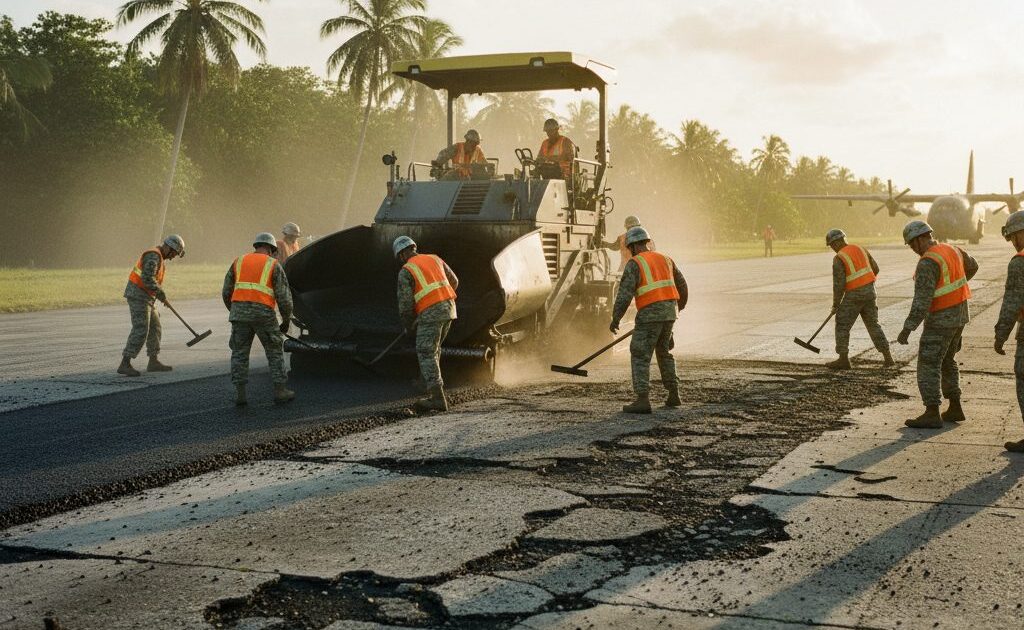
The U.S. Air Force’s 823rd Rapid Engineer Deployable Heavy Operational Repair Squadron Engineer (RED HORSE) Squadron, based at Hurlburt Field, Florida, was tasked with changing that. In two weeks, a 21-Airman team restored two degraded taxiways, eliminating FOD hazards and returning the airfield to full mission-capable status for joint Air Force and Marine Corps operations.
A Field That Had Waited Two Decades
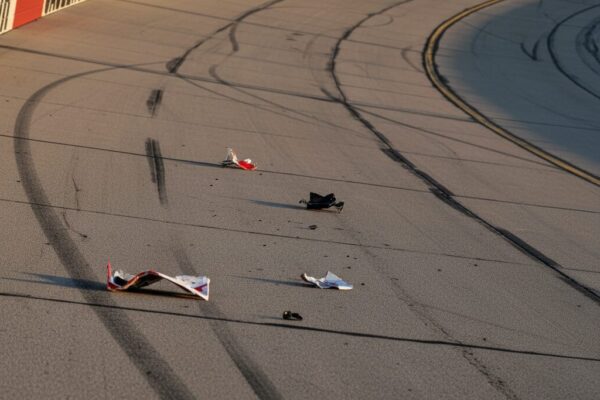
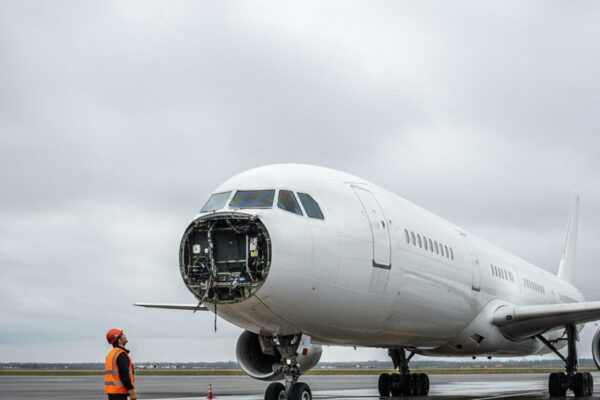
Years of neglect had taken a measurable toll on the airfield’s pavement. Asphalt overlaid on top of original concrete had degraded significantly, leaving loose material and unstable surface conditions that posed direct risks to aircraft. FOD from crumbling pavement is a chronic problem at aging airfields — debris ingested into turbine engines or struck by landing gear can cause catastrophic damage.
The timeline for the mission was compressed. According to Master Sgt. Dylan Ashley, who led the team, rumors of the deployment surfaced on a Sunday. Orders arrived Wednesday. By Saturday, the team was airborne. Within 48 hours of arrival in Puerto Rico, milling operations were already underway.
“If I could use one word to sum it up, it would be fast,” Ashley said.
1,000 Tons of Asphalt Per Day
Working without their organic heavy equipment — the deployment timeline was too compressed to ship it — RED HORSE Airmen operated locally sourced milling machines and pavers with unknown maintenance histories. Equipment malfunctions, language barriers with local contractors, and unpredictable Caribbean weather added friction to an already demanding schedule.
The team laid 800 tons of asphalt on their first paving day. Nine hundred tons on the second. By the third day, they were consistently hitting 1,000 tons per day.
Nine of the 21 Airmen had never performed a mill-and-overlay project before the mission. Many were fresh from technical training.
“My biggest takeaway was witnessing how capable Airmen become when they are entrusted, challenged and united behind a purpose bigger than themselves,” said Staff Sgt. Ryan Guevara Seamster, who operated the asphalt paver. “It also showed me how quickly new RED HORSE members can adapt and rise to the occasion.”
FOD and Operational Readiness
The connection between pavement condition and FOD risk is direct. Loose aggregate, spalled concrete, and deteriorating asphalt overlays are among the most common sources of runway and taxiway debris. On military airfields, those hazards translate into grounded aircraft, damaged engines, and degraded mission readiness. The problem isn’t limited to military installations — civilian runways face the same FOD risk from aging pavement.
The mission’s objective — stated plainly in Air Force communications — was to “eliminate foreign object debris risks” and return the field to a condition safe for aircraft operations.
Upon completion, the restored airfield immediately supported joint operations, including Marine aviation units flying from the island, under U.S. Southern Command. The work aligned with the Air Force’s “Fly, Fix, Fight” operational directive.
Recognition at the Top
The Puerto Rico mission drew attention beyond the engineering community. During his keynote address at the Air and Space Forces Association’s 2026 Warfare Symposium, Air Force Chief of Staff Gen. Kenneth Wilsbach specifically cited Ashley and his team as an example of how civil engineers directly enable airpower generation.
Ashley offered a blunt assessment of his specialty’s role.
“I don’t care if you have the best pilots, maintainers, or security in the world,” he said. “Whatever it is, you cannot generate airpower without runways, taxiways and aprons.”
Airman Kyle Nixon, a pavements and construction equipment apprentice on the mission, called the recognition meaningful.
“Knowing what my team and I accomplished in such a short amount of time and how well we executed it makes me feel proud of the contribution we made to something so important,” Nixon said.
The Broader Lesson
Degraded airfield pavement is frequently overlooked as a FOD source — overshadowed by the more visible categories of tool accountability and ramp housekeeping. The Puerto Rico mission illustrates that the runway surface itself demands the same discipline as the operations conducted on it.
Two taxiways. A two-week window. Airmen who had never run a paver arriving with borrowed equipment and a clear objective: make the field safe to fly from. They did.
Subscribe to FODNews for ongoing coverage of FOD incidents, airfield safety, and the teams keeping runways clear worldwide.