ST. LOUIS, Mo. — March 12, 2026
A Delta Air Lines flight carrying 108 passengers and four crew members suffered confirmed engine damage after a bird strike on approach to St. Louis Lambert International Airport on Wednesday, the Federal Aviation Administration said.
Delta flight DL-1541, a Boeing 717-200 registered N996AT, was arriving from Detroit Metropolitan Wayne County Airport (DTW). The incident occurred during descent toward Runway 11, when the bird struck the aircraft’s No. 2 engine — the right-hand Rolls-Royce BR715 — on approach.
FAA Confirms Engine Damage
The FAA issued a formal statement confirming the strike. The agency noted the aircraft “experienced issues with the No. 2 engine due to a bird strike on landing, and reported damage to the No. 2 engine.” According to the FAA, FAA wildlife strike data consistently identifies engine ingestion events as among the most operationally consequential outcomes, tracking thousands of such strikes annually at U.S. civil airports.
Despite the engine damage, the flight crew maintained control of the aircraft. DL-1541 touched down safely approximately 25 minutes after the strike was reported, vacating the runway under its own power. Emergency services met the aircraft on the ground as a precaution.
No injuries were reported among the 112 people on board.
Aircraft Grounded for Inspection
Following the landing, crews pulled the 717-200 from service for detailed inspection and repairs. The aircraft — which entered Delta’s fleet in 2002 — remained grounded in St. Louis through at least March 15. That three-day maintenance hold reflects the caution warranted when confirmed engine-ingestion damage is involved.
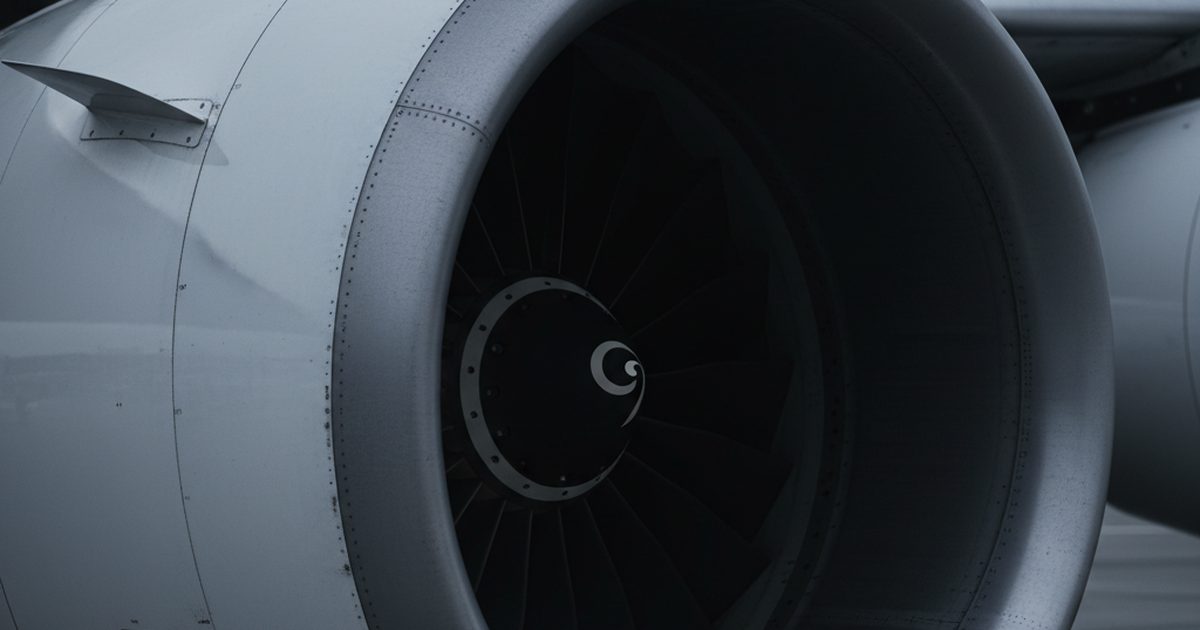
The Rolls-Royce BR715 is a high-bypass turbofan engine. Consequently, any ingestion event requires borescope inspection and potentially component replacement before the aircraft can return to revenue service. As of publication, Delta had not released an official statement on the extent of the damage or the projected return-to-service timeline.
Bird Strikes: A Persistent Aviation Hazard
Wildlife strikes remain a significant and growing safety challenge at airports across the country. According to FAA records, more than 17,000 wildlife strikes are reported annually at U.S. civil airports — a number that has climbed steadily as both air traffic and certain bird populations have increased.
The St. Louis incident follows a string of high-profile bird strike events that have drawn renewed attention to airfield wildlife management. Earlier this year, a bird strike cracked the cockpit windshield of a United Airlines 737 MAX departing Newark, forcing the crew to divert and return.
Most strikes occur during takeoff, initial climb, approach, and landing — the low-altitude phases where aircraft share airspace with birds. Engine ingestion events represent a subset of those strikes, but they carry the highest potential for structural damage and operational disruption.
The FAA’s wildlife hazard mitigation framework requires certificated airports to assess strike risks and implement management programs. As FODNews has reported, the FAA’s wildlife strike mitigation playbook draws on habitat modification, dispersal techniques, and coordination with the U.S. Department of Agriculture — a multi-layered approach that has proven effective when rigorously implemented. Neither Delta nor St. Louis Lambert officials have publicly addressed how the airport’s wildlife hazard program factored into Wednesday’s event.
Delta Response
Delta Air Lines had not publicly commented on the St. Louis event as of this report. Airlines are required to file wildlife strike reports with the FAA. However, reporting is voluntary for crews and operators — a gap in the data that aviation safety advocates have long flagged.
The FAA and NTSB have not announced a formal investigation into the incident. That is consistent with the agencies’ threshold for initiating inquiries: strikes resulting in no injuries and no aircraft accident classification typically do not trigger formal probes.
FODNews will update this report as additional details become available.
Subscribe to FODNews for ongoing coverage of FOD incidents, wildlife strike data, and airfield safety developments.
Sources
- AeroInside — Delta B712 at St. Louis on Mar 12th 2026, Bird Strike and Engine Damage on Landing
- Aviation Safety Network — Incident Record: N996AT, March 12, 2026
- FAA Wildlife Strike Database
- FODNews — Inside the FAA’s Wildlife Strike Mitigation Playbook: ‘No Fowl Play’
- FODNews — Bird Strike Cracks Cockpit Windshield on United 737 MAX Out of Newark