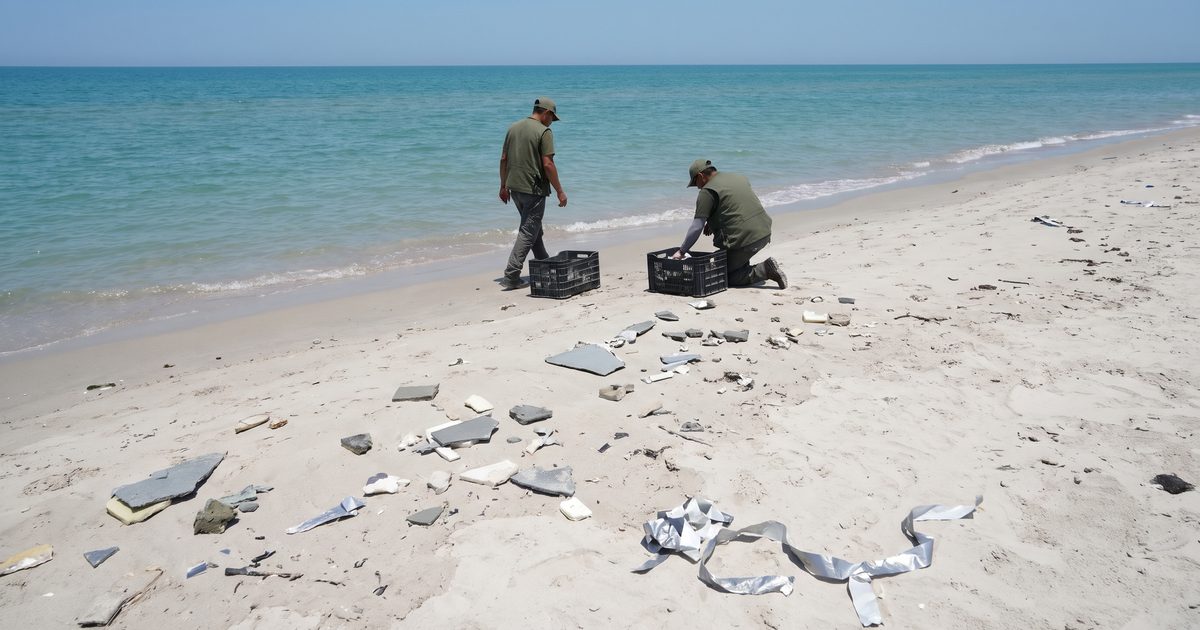
PLAYA BAGDAD, Mexico — The first fragments rode in on the surf about 7:30 a.m. Tuesday, Nov. 17. By the end of the day, inspectors had gathered about two kilograms of what may be Starship booster debris from this Gulf Coast beach, according to Profepa, Mexico’s federal environmental protection agency.
The pieces came ashore four days after a Nov. 13 Starship flight from Starbase in Texas. Profepa asked the public not to touch, move or handle anything the waves bring in, Mexican outlets N+ and Enfoque Bajío reported.
The beach lies in Matamoros, Tamaulipas, about 20 kilometers from the launch site. Fragments that come down off the coast can end up on its sand.
Where the Starship booster debris may have come from
Starbase sits about five kilometers from the mouth of the Rio Grande. After the Nov. 13 launch, the booster did not return to base for reuse, the Mexican outlets reported. Instead, it was destroyed before reaching the sea.
An AFP report carried by 20 Minutes gave more detail. It said the debris comes from the Super Heavy booster, which SpaceX chose to let fall after a technical problem.
Profepa has been careful on this point, however. The agency cautioned that not every fragment necessarily comes from the same event. Authorities have not confirmed that all the recovered waste traces back to the launch.
What inspectors picked up looked like this: rigid, whitish pieces, some cracked and with irregular edges. Other fragments were yellowish, rough and porous.
A storm helped carry the pieces in
Weather played a large part, Profepa said. From Nov. 13 to Nov. 17, the coast faced a rising sea, high waves and a “Norte” weather event. On the morning of Nov. 17, the nearest monitoring station recorded a sea level about 41 centimeters above forecast.
Those conditions helped push the material onto the sand. They also made the fragments harder to identify and collect.
El País México reported that federal authorities closed five Tamaulipas ports to small boats because of a cold front.
Counting fragments one by one
Profepa inspectors are working with Conanp, the national protected-areas commission, and with Mexico’s Navy to monitor, identify and secure the material. The civic group Conibio Global joined the cleanup.
Conibio first reported 15 kilograms recovered, according to AFP. Then it counted more than 1,500 pieces. Fragments of the booster’s inner lining lay mixed with trash left by tourists, the report said.
The fragments range from about one centimeter to one square meter, El País reported. They include plastics, adhesive tape, aluminum and rubber.
Elías Ibarra, Conibio’s president, said the debris is floating and washing in gradually. Meanwhile, the group said high tide and wind make it impossible to collect everything.
For now, the pieces go to a Navy storage site, where they will stay until the responsible company collects and handles them. Profepa said it would ask SpaceX to take responsibility for the waste.
The beach has seen this before. AP reported that the collection follows a similar incident last year, which drew a complaint from Mexico’s government. In 2025, President Claudia Sheinbaum announced legal action against SpaceX over beach pollution from its launches, AFP noted.
FODNews has reported on another recent Starship debris-tracking story.
Debris that keeps moving
The cleanup at Playa Bagdad is not a one-day job. Profepa warned that more waste may remain on the seabed or offshore. It could still reach this beach, or other Tamaulipas beaches, later.
That is the lesson the facts imply. Debris that comes down offshore can keep moving for days on tides and wind. A fragment that falls in one country’s waters can land on another country’s sand.
So recovery becomes a shared and ongoing task. On this stretch of coast, it now involves inspectors, sailors, park staff and volunteers. And each tide may bring more work.
Subscribe to FODNews for continuing coverage of FOD incidents and prevention worldwide.
Sources
- AP — “México recolecta basura espacial de SpaceX que llegó a las costas del estado de Tamaulipas” (Nov. 18, 2026)
- El País México — “Los residuos del último vuelo de SpaceX empiezan a llegar a las costas de Tamaulipas” (Nov. 18, 2026)
- 20 Minutes (AFP) — “SpaceX : Les débris d’une fusée Starship retrouvés sur une plage au Mexique, qui réclame des comptes” (Nov. 18, 2026)
- N+ — “Profepa Pide a la Población No Tocar los Restos de Starship Hallados en Playa Bagdad, Tamaulipas” (Nov. 18, 2026)
- Enfoque Bajío — “Recolectan residuos relacionados con explosión de SpaceX en Playa Bagdad, Tamaulipas” (Nov. 18, 2026)