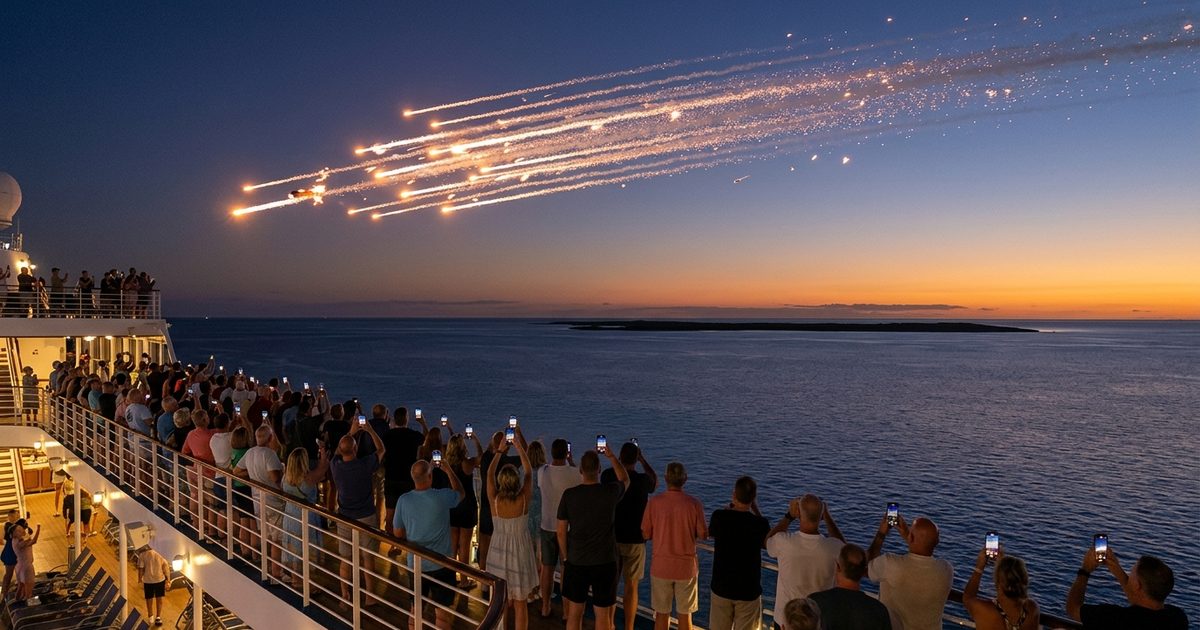
Vacationers at a Club Med resort and passengers aboard Disney and Royal Caribbean cruise ships never expected their phone videos to become evidence in a federal investigation. But after a SpaceX Starship broke apart over the Caribbean, those bystander recordings helped fill gaps in the company’s own Starship debris tracking, according to a heavily redacted Federal Aviation Administration report obtained by ProPublica.
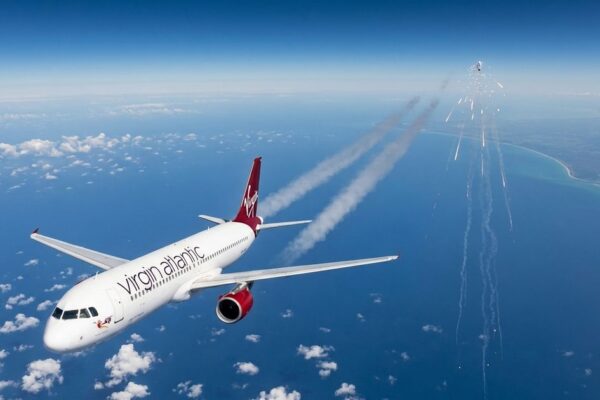
The rocket, flying its seventh test mission on Jan. 16, 2025, lost contact with ground controllers about nine minutes after liftoff and broke apart over the Caribbean and Atlantic Ocean. Glowing debris streaked across the sky, and some airline pilots recorded the fallout as planes scrambled to move out of its path, ProPublica reported.
Some of the clearest footage came from tourists who had no idea they were witnessing a rocket failure. Videos shot from Disney and Royal Caribbean ships and from a Club Med resort captured a fireball followed by a shower of sparkling debris. The report, which SpaceX submitted to the FAA two weeks after the breakup, includes maps pinpointing exactly where those images were taken, which helped investigators trace how the debris field moved.
“At 1 minute 42 seconds, the debris cloud is observed transiting behind the cruise ship,” the report states, according to ProPublica, which obtained the document through a Freedom of Information Act request.
How SpaceX’s Starship debris tracking fell short
Mishap reports like this one are required under federal rules within days of a rocket failure and must detail what happened and where hazardous material landed. The FAA uses that information, along with Space Force modeling, to define no-fly zones before launches and so-called Debris Response Areas it activates after something goes wrong.
The fact that SpaceX leaned on tourist footage suggests its own sensors and tracking systems did not fully capture where the debris cloud went. Moriba Jah, a professor of aerospace engineering at the University of Texas at Austin, told ProPublica the bystander video is evidence that “their own tracking did not carry cleanly through the debris cloud phase, so they used the public to fill the gap.”
The FAA redacted most of the three reports it released to ProPublica, covering Starship Flights 7, 8 and 9, citing exemptions for confidential business information after SpaceX objected to disclosing some of the material. The agency would not release SpaceX’s own estimates of where debris fell, so it remains unclear how close any passenger aircraft came to falling fragments.
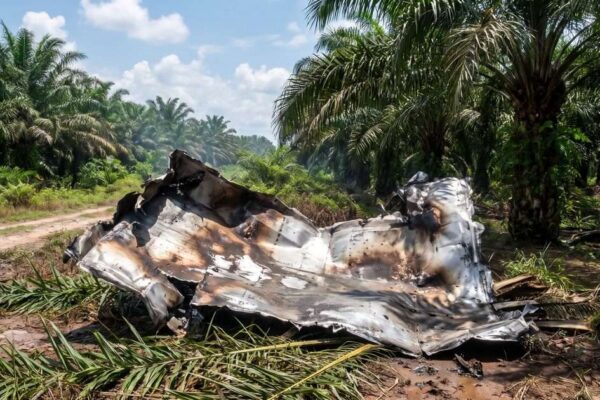
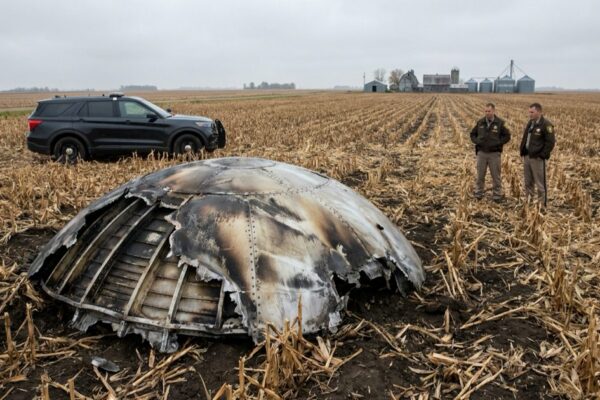
Independent reporting at the time of the incident confirmed some of the fallout on the ground. NBC News reported that Turks and Caicos officials confirmed debris landed on the islands, caused minor property damage and prompted the territory’s airport authority to divert flights and ground planes in the immediate aftermath. The FAA separately confirmed it activated a Debris Response Area and slowed or stopped aircraft near the falling debris.
Why the Starship debris tracking gap matters for air travel
Falling rocket debris is a foreign object debris hazard in the air and on the ground, since fragments large enough to damage an aircraft or injure people can come down over populated islands and busy flight corridors with little warning. After Flights 7 and 8 both ended in failure, the FAA nearly doubled the size of its pre-launch no-fly zones ahead of Flight 9, a change Jah said “only makes sense if the prior margin was judged inadequate rather than just unlucky.”
SpaceX did not respond to ProPublica’s request for comment on the report, but the company has said it learns from each test flight and is committed to “responsibly using airspace during launches and reentries, prioritizing public safety to protect people on the ground, at sea, and in the air.” SpaceX is also seeking approval to launch Starship up to 76 times a year from Cape Canaveral, Florida, according to ProPublica, meaning encounters like the one over the Caribbean could become more routine.
FODNews has previously covered the FAA’s evolving approach to managing commercial space debris risk for airline traffic.
Subscribe to FODNews for continuing coverage of FOD incidents and prevention worldwide.