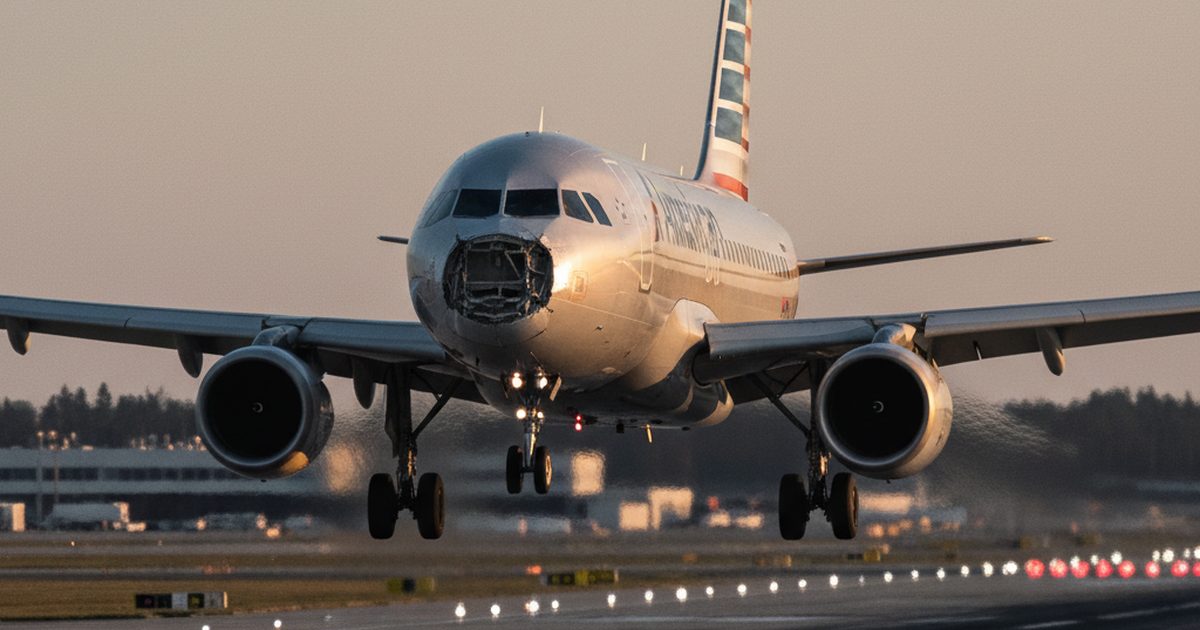
DALLAS/FORT WORTH, Texas — An American Airlines Airbus A321-231 sustained radome damage after striking a bird on short final approach to Dallas/Fort Worth International Airport on April 7, 2026. The aircraft, flight AA2034 operating from San Diego, landed safely with no injuries reported among passengers or crew.
What Happened
Flight AA2034 was inbound from San Diego International Airport when the A321-231 — registration N507AY, a 2008-vintage aircraft powered by IAE V2533-A5 engines — encountered the bird strike during the final segment of its approach to DFW. The impact, timed at approximately 18:40 UTC, struck the aircraft’s radome, the fiberglass nose cone that houses the weather radar system.
The FAA, which is the investigating authority for the incident, classified the aircraft damage as minor. The airline has not issued a public statement confirming the extent of the damage or how long the aircraft was taken out of service for inspection and repair. Radome damage, even when classified as structurally minor, typically requires specialized non-destructive testing before an aircraft can return to revenue service.
The incident was recorded in the FAA National Wildlife Strike Database, where all civil aviation wildlife strikes are required to be reported. A separate FAA investigation is underway.
Why the Radome Matters
The radome is more than aerodynamic fairing — it’s a radar transparency housing the aircraft’s weather detection system. A direct bird impact forceful enough to visibly deform or breach the structure can compromise both the radar’s electromagnetic performance and the structural integrity of the nose assembly. Airlines operating under FAA airworthiness standards are required to ground affected aircraft until qualified avionics and structural technicians complete an inspection.
Repair costs for radome bird strike damage vary widely. Replacement radomes for large narrowbody aircraft like the A321 can range from several thousand dollars to more than $50,000 depending on the extent of damage, according to industry maintenance data.
The pattern is not unique to American Airlines. In January 2026, China Southern flight CZ3554 suffered a bird strike that crushed the radome of an A330 — a structurally heavier wide-body aircraft — illustrating that radome vulnerability is a fleet-wide challenge across the industry.
Final Approach: The Highest-Risk Phase for Bird Strikes
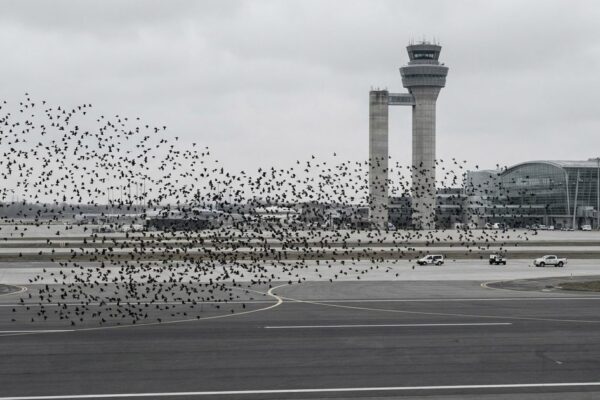
Final approach represents one of the most dangerous phases for wildlife strikes. Aircraft are descending through altitudes where birds congregate, at slower airspeeds that reduce the pilot’s reaction time and increase the duration of exposure over the runway environment. According to FAA wildlife strike data, the approach and landing phases collectively account for more than half of all reported damaging strikes in the United States.
In 2024, the FAA recorded 22,372 wildlife strikes with U.S. civil aircraft — a 14 percent increase over 2023, driven by growing bird populations and the quieter turbofan engines found on modern narrowbodies like the A321neo family. Commercial transport aircraft account for 85 percent of all reported strikes.
DFW has historically ranked among the busiest airports for reported strikes given its high traffic volume and proximity to migratory flyways crossing the southern plains. The FAA requires Part 139-certificated airports to maintain wildlife hazard management plans, though the effectiveness of those programs depends heavily on terrain, local species populations, and seasonal migration patterns.
No Injuries, Investigation Ongoing
All occupants aboard AA2034 were uninjured. The FAA confirmed it is the investigating authority for the incident. NTSB involvement has not been announced, consistent with FAA jurisdiction over incidents classified as minor damage.
American Airlines has not responded to media requests for comment on the status of N507AY or the timeline for its return to service.
Stay informed — subscribe to FODNews for daily coverage of FOD incidents and prevention worldwide.